



All products featured on Athletech News are independently selected by our editors. However, when you buy something through our retail links, we may earn an affiliate commission.
Some of the best sustainable activewear brands face a tall order: How do you create sweat-friendly pieces that stretch – without the plastic-based spandex that allows for movement-ready fabrics?
And while the “sustainable” label itself is a contradiction (the most eco-friendly move is to not produce anything at all), most people aren’t going to stop buying stuff overnight. For those in need of new gear, some of the most notable eco-conscious companies are offering better options made with organic materials (which require less water and pesticides to produce), upcycled materials (keeping waste out of the oceans and other habitats) and are made with transparent, ethical practices that are good for people and the planet.
What to Look for in Sustainable Brands
Companies that are Certified B Corp-certified or members of 1% of the Planet are among the most sustainable options, as they meet high standards and undergo third-party audits of their environmental and social impact. Certified B Corps adhere to strict guidelines on “social and environmental performance, transparency and accountability,” while 1% of the Planet helps brands meet their sustainability goals by connecting them with nonprofits.
What Are the Most Eco-Friendly Activewear Materials?
Fabrics and production methods are just a few things to consider as you’re looking for eco-friendly activewear brands. Here’s what to note about just a handful of the best sustainable materials:
Organic cotton: Requires significantly less water to grow and doesn’t use synthetic pesticides and fertilizers, therefore reducing greenhouse emissions and water pollution compared to conventional cotton. It’s also ideal for soil health and better working conditions.
Tencel modal and lyocell: Made by Lenzing, these super-soft materials are made from wood-based cellulose sourced from responsibly managed forests. The closed-loop production results in 50% less carbon emissions than non-plant-based modal and lyocell.
Recycled polyester (rPET), nylon/econyl and elastane: These plastic-based materials use 50 to 80% less energy to produce than their virgin counterparts, can reduce carbon emissions by up to 75% and help divert waste (such as plastic water bottles, fishing nets and toothbrushes) away from oceans and landfills. They’re overall the more sustainable option but tend to shed more, and it’s recommended to wash items containing recycled elastane, nylon and rPET in mesh bags (like this one from Guppyfriend) to keep microplastics from ending up in waterways.
The Best Sustainable Activewear of 2026
To celebrate Earth Month, we’ve rounded up some of the best eco-friendly activewear for women and men, including items from Certified B Corps like Patagonia, Cotopaxi and Athleta and others. See our top picks for the most sustainable workout apparel below.
Pangaia’s bio-based activewear is made from 95% Eveo Nylon, a material created from industrial corn and castor beans grown on poor, dry soil, requiring minimal water and causing little disruption to the surrounding environment and communities. The other 5% is made of regen Bio Max elastane (itself made of 98% renewable corn or sugarcane), a plant-based alternative to the fiber that gives stretch to activewear while requiring less fossil fuel energy.
The B Corp company‘s entire mission is to champion eco-friendlier processes by developing or using bio-based, recycled, regenerative and responsibly sourced materials (such as grape “leather,” recycled wool and a unique blend of organic cotton and nettle for denim) and protecting water and soil health and biodiversity by continually reducing its carbon footprint and emissions.
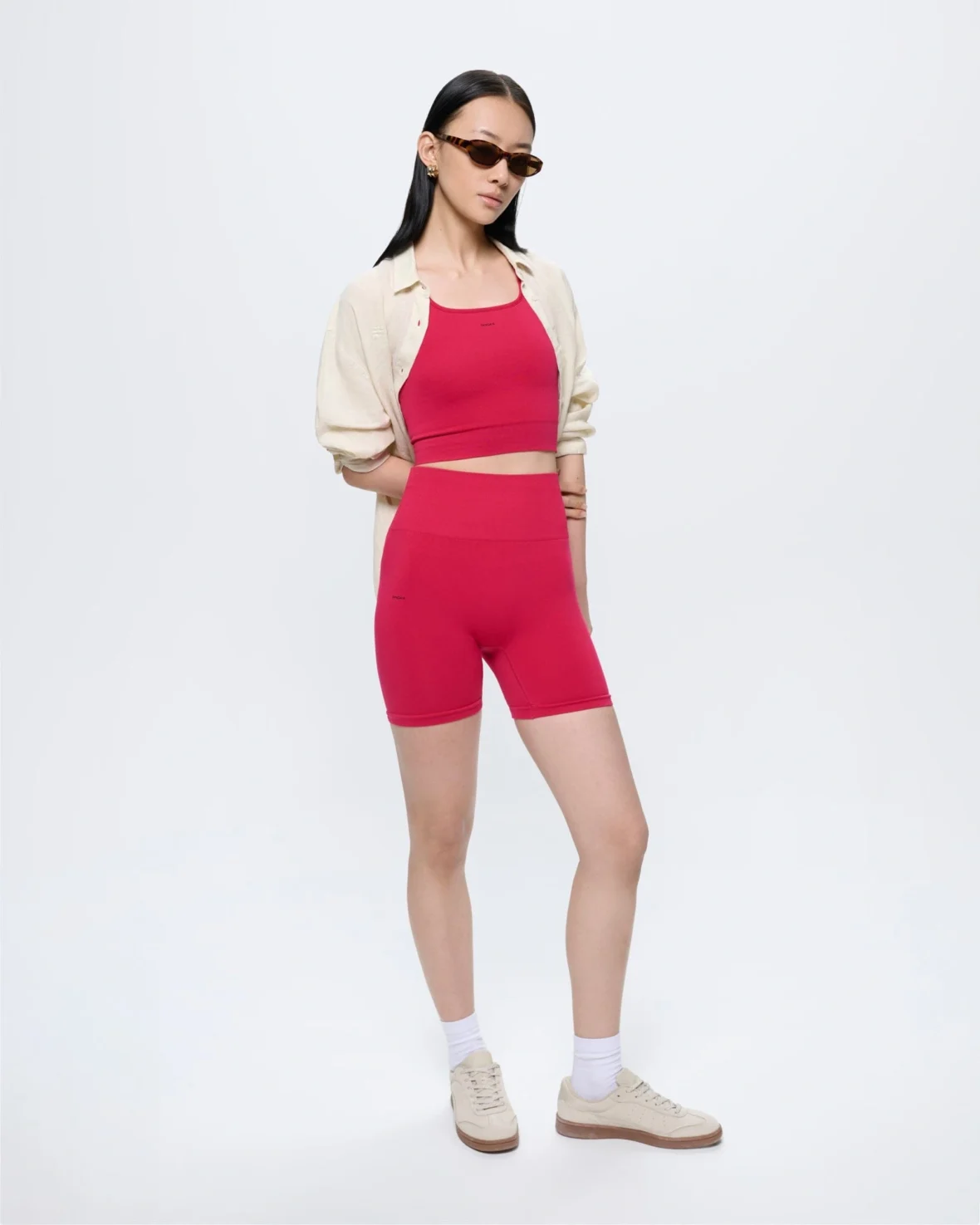
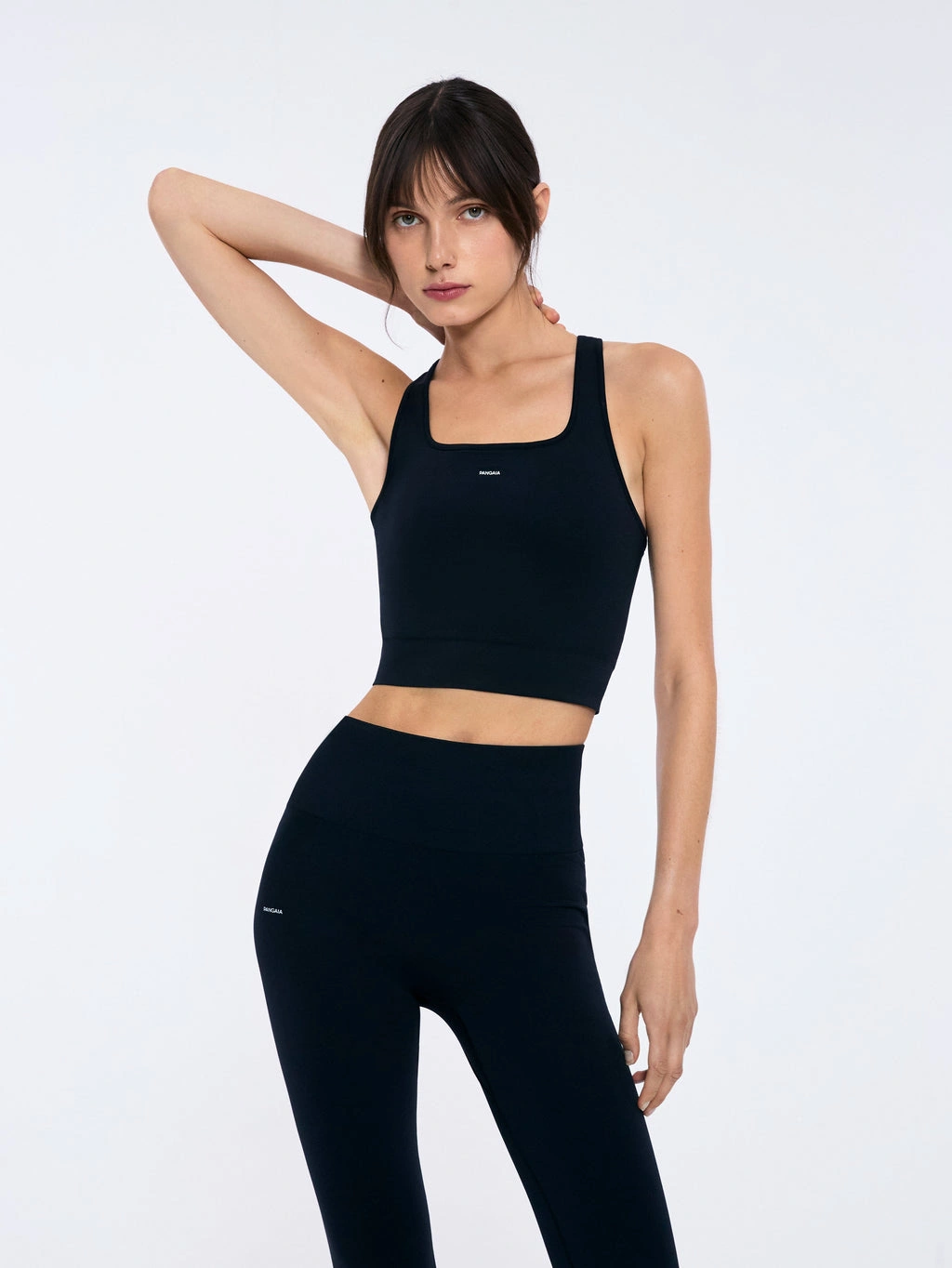
Based in Los Angeles, the eco-conscious yogawear label uses natural fibers such as organic cotton, linen, hemp and Tencel lyocell and modal alongside bio-spandex, a plant-based and renewable alternative to elastane. Sokoi’s fabrics are GOTS- and Oeko-Tex Standard 100-certified, meaning they are ethically and organically produced and are free from harmful chemicals and substances such as pesticides and phthalates.


Patagonia
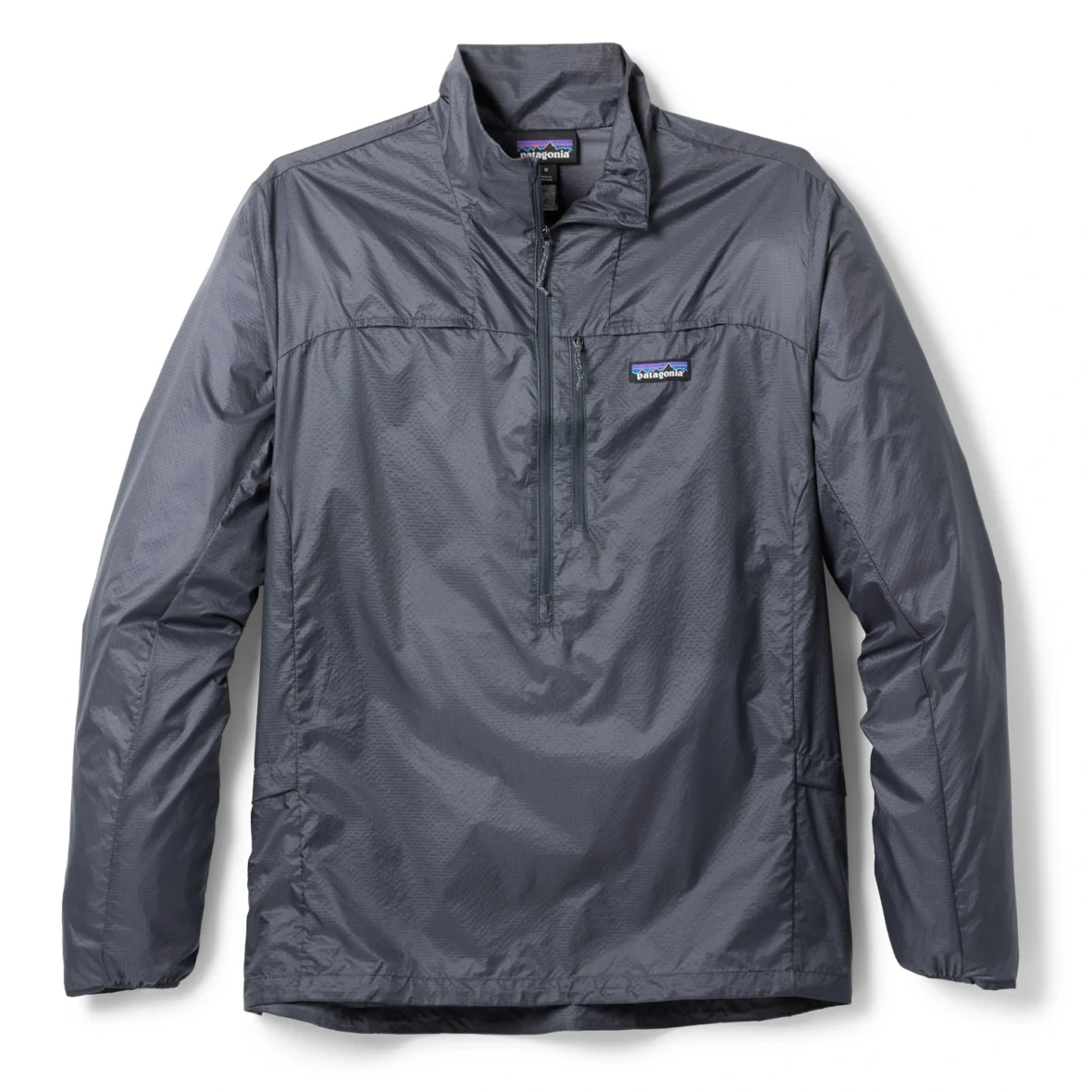
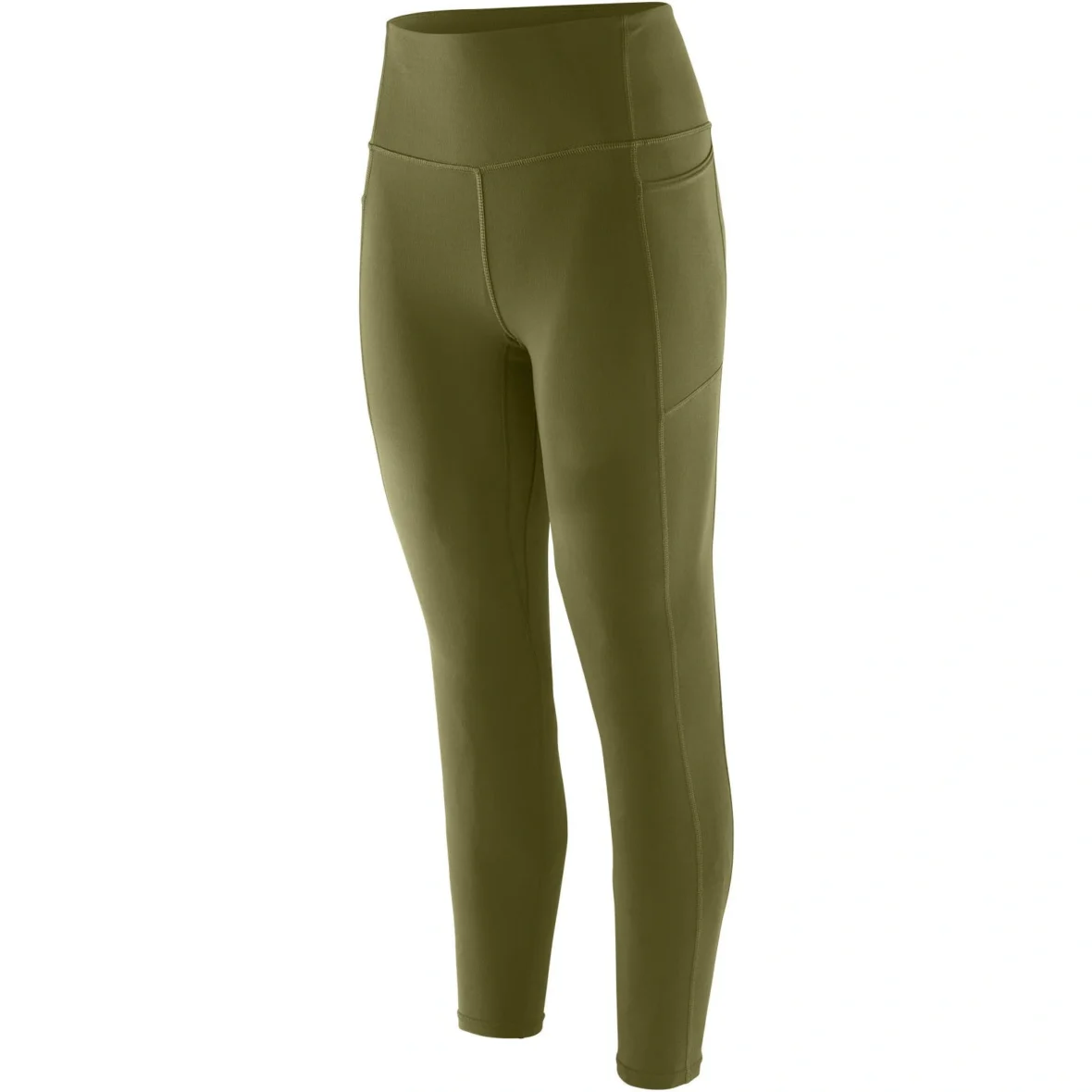
A Certified B Corp and 1% of the Planet member, Patagonia uses 100% organic cotton and recycled wool, polyester and nylon in its apparel and other products, and most of its inventory is Bluesign- and Fair Trade-certified. They also use 100% traceable down and responsibly sourced wool, and its Worn Wear program encourages customers to repair and recycle their gear by offering store credits when they trade in used items.
On top of all of that, founder Yvon Chouinard transferred ownership of Patagonia to a nonprofit organization that invests about $100 million per year towards climate solutions and environmental protection.
Vuori
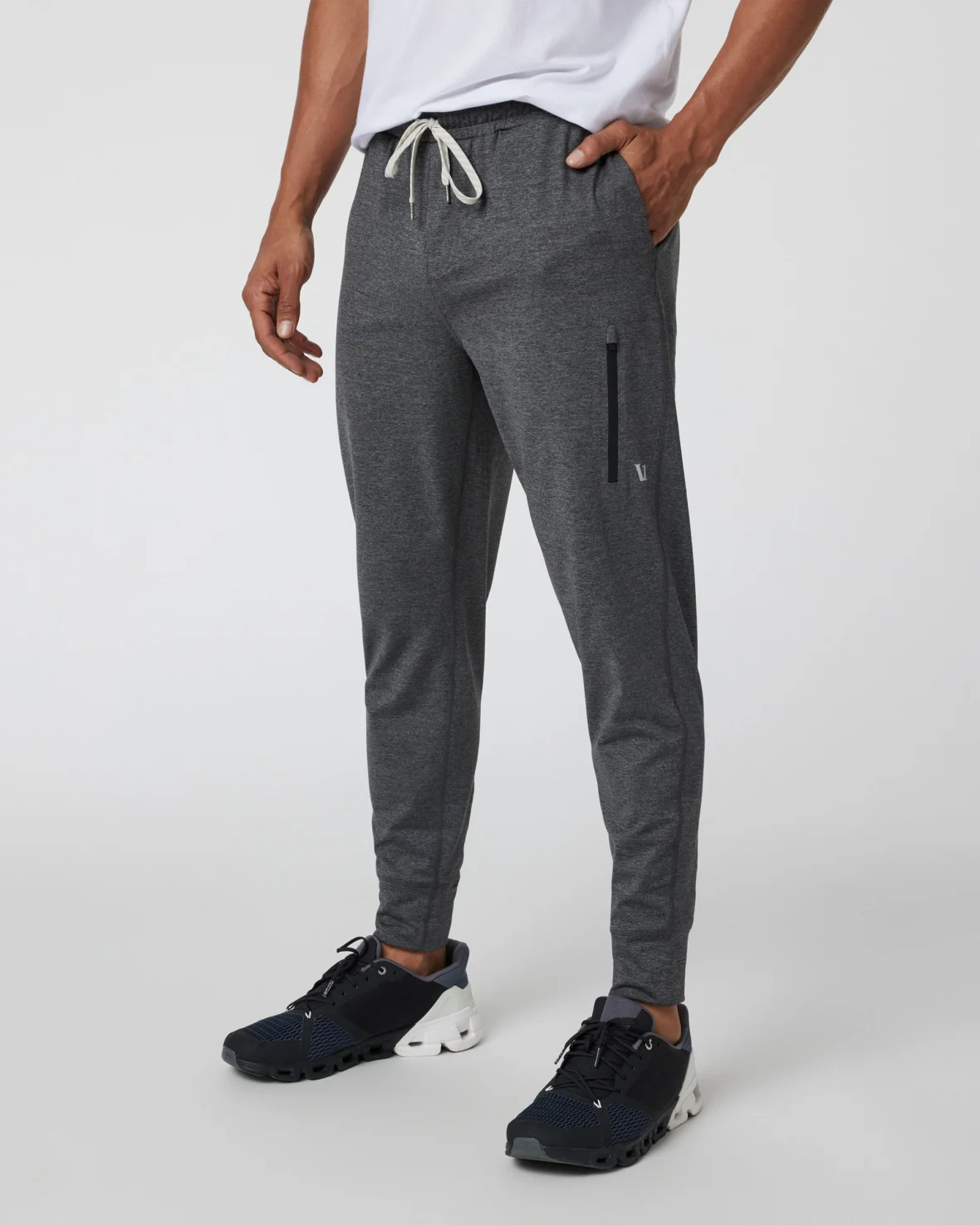
Launched in 2015, Vuori is a Climate Neutral Certified company that uses organic cotton, recycled polyester and other materials have a significantly lower environmental impact. The California-based brand honors its surf roots (founder and surfer Joe Kudla was previously an accountant in the surfwear industry) by partnering with CleanHub and other organizations that save plastic waste from becoming ocean pollution. (Vuori also counts the entire Gerber family, including mother-daughter models Cindy Crawford and Kaia Gerber, as brand partners.)
Mate the Label
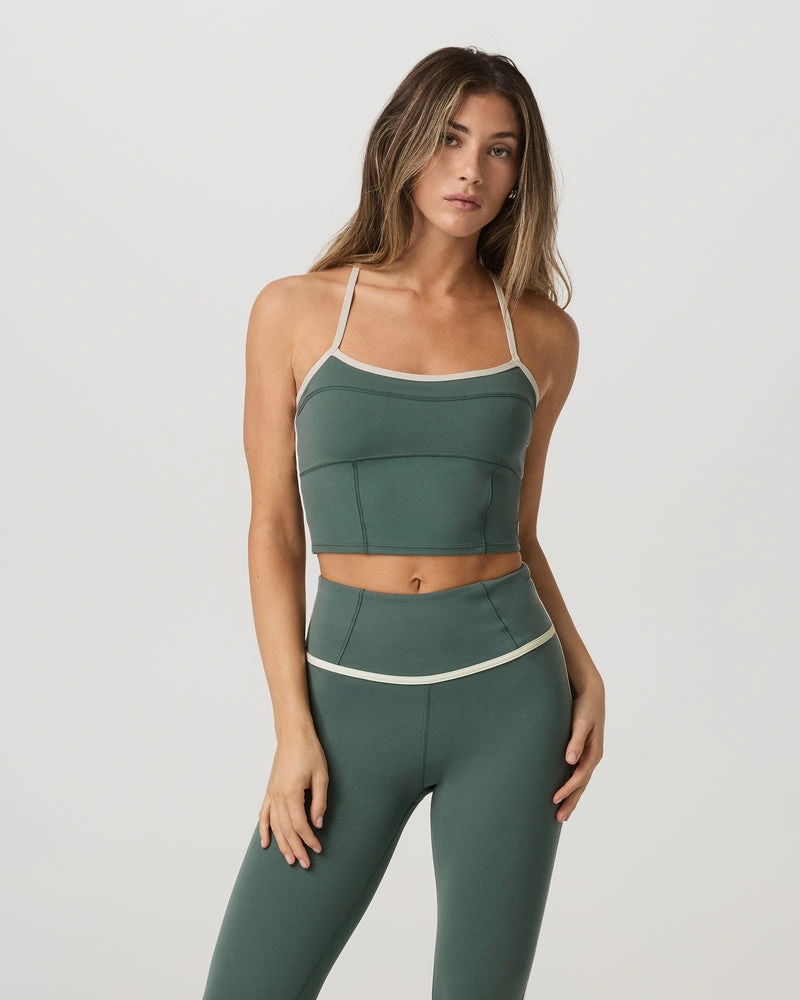
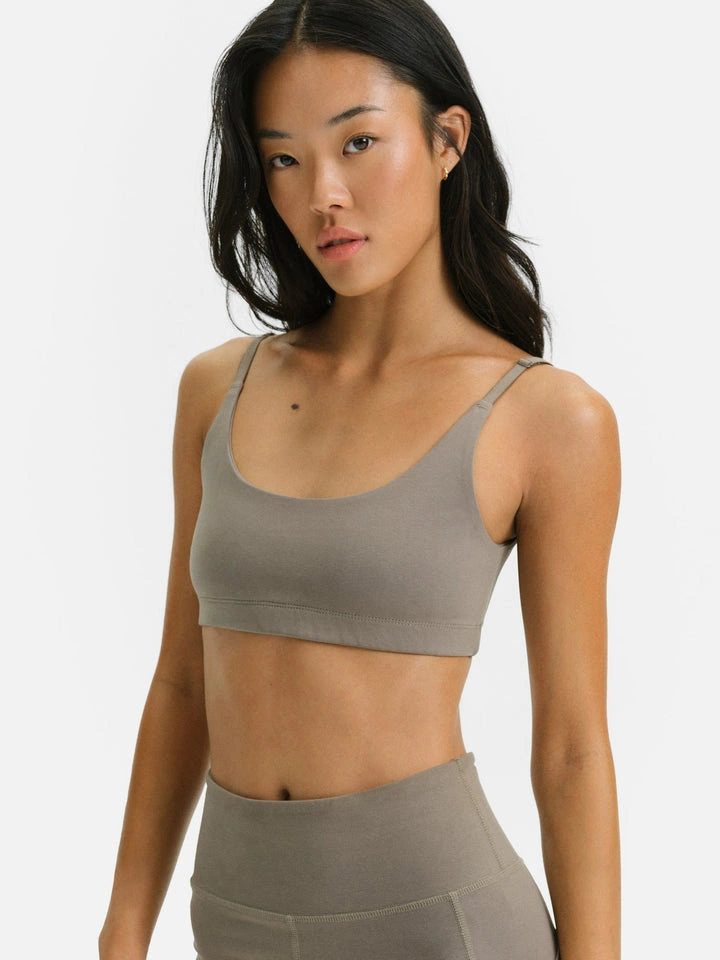
Mate’s Move line is made with 92% organic cotton and 8% spandex and uses non-toxic dyes, making the L.A.-based label among the most sustainable clothing brands. The company offers organic workout bras, skorts, biker shorts and stretch leggings, alongside tees, dresses, sweats, socks, and accessories.
Cotopaxi
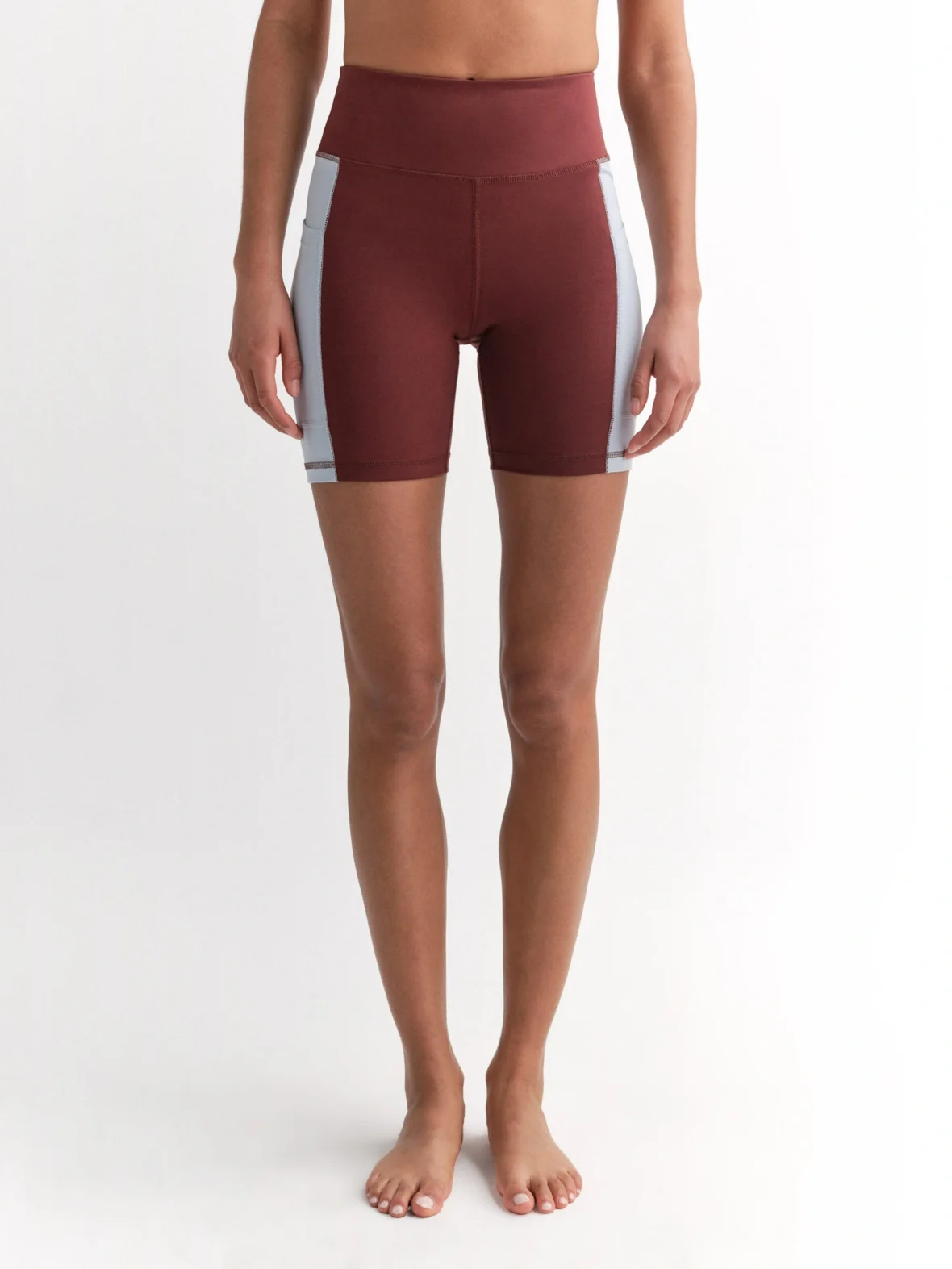
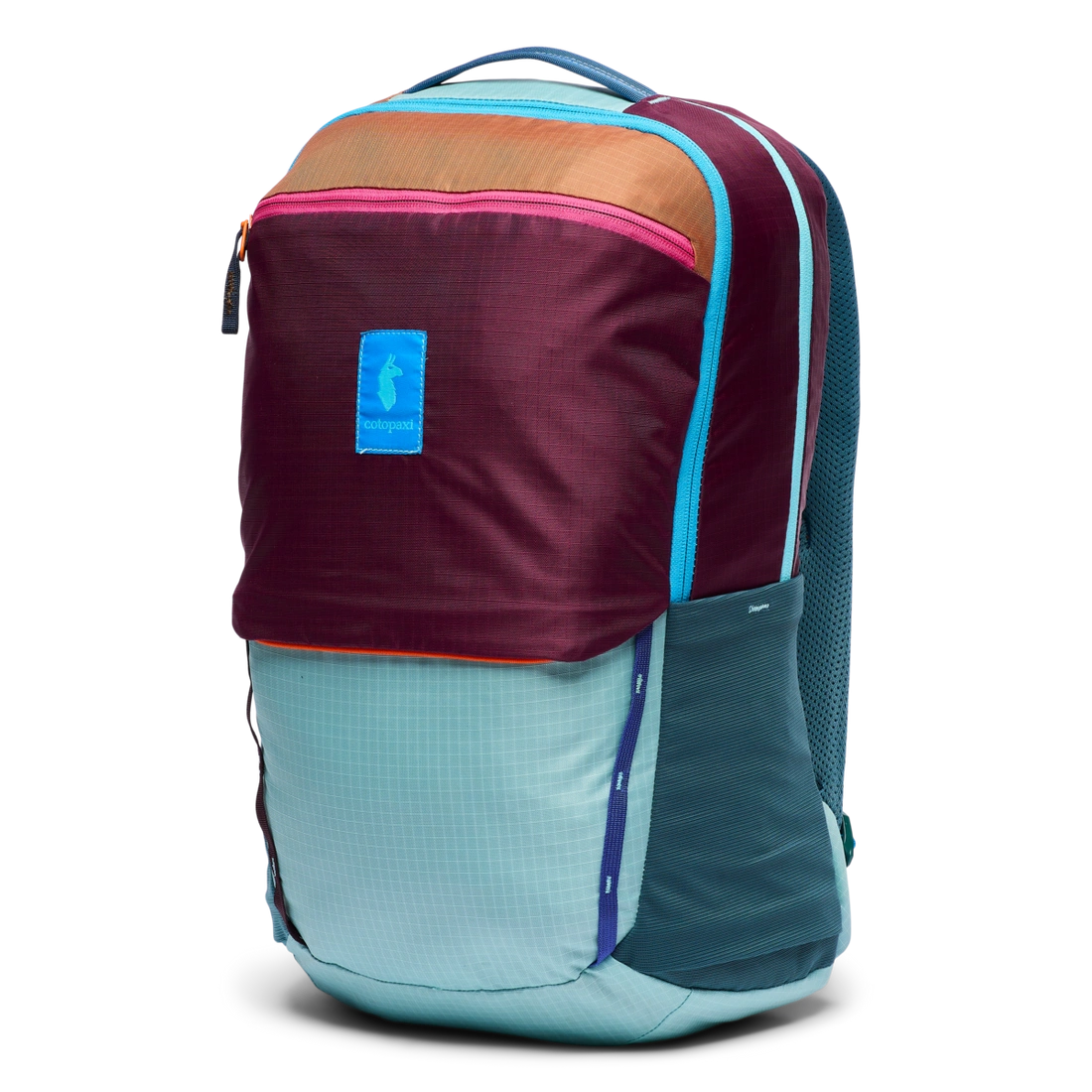
Named after the iconic active volcano in Ecuador, Cotopaxi is known for its color-blocked outdoor gear and apparel designed to last, made only from repurposed, recycled or third-party-certified sustainable materials and produced in facilities with Bluesign or Fair Trade Certified approval. The Certified B Corp is working towards a net-zero carbon footprint and says that its “carbon intensity score less than 1% of net revenue.” You can also shop pre-loved pieces through the brand’s ThredUp partnership.
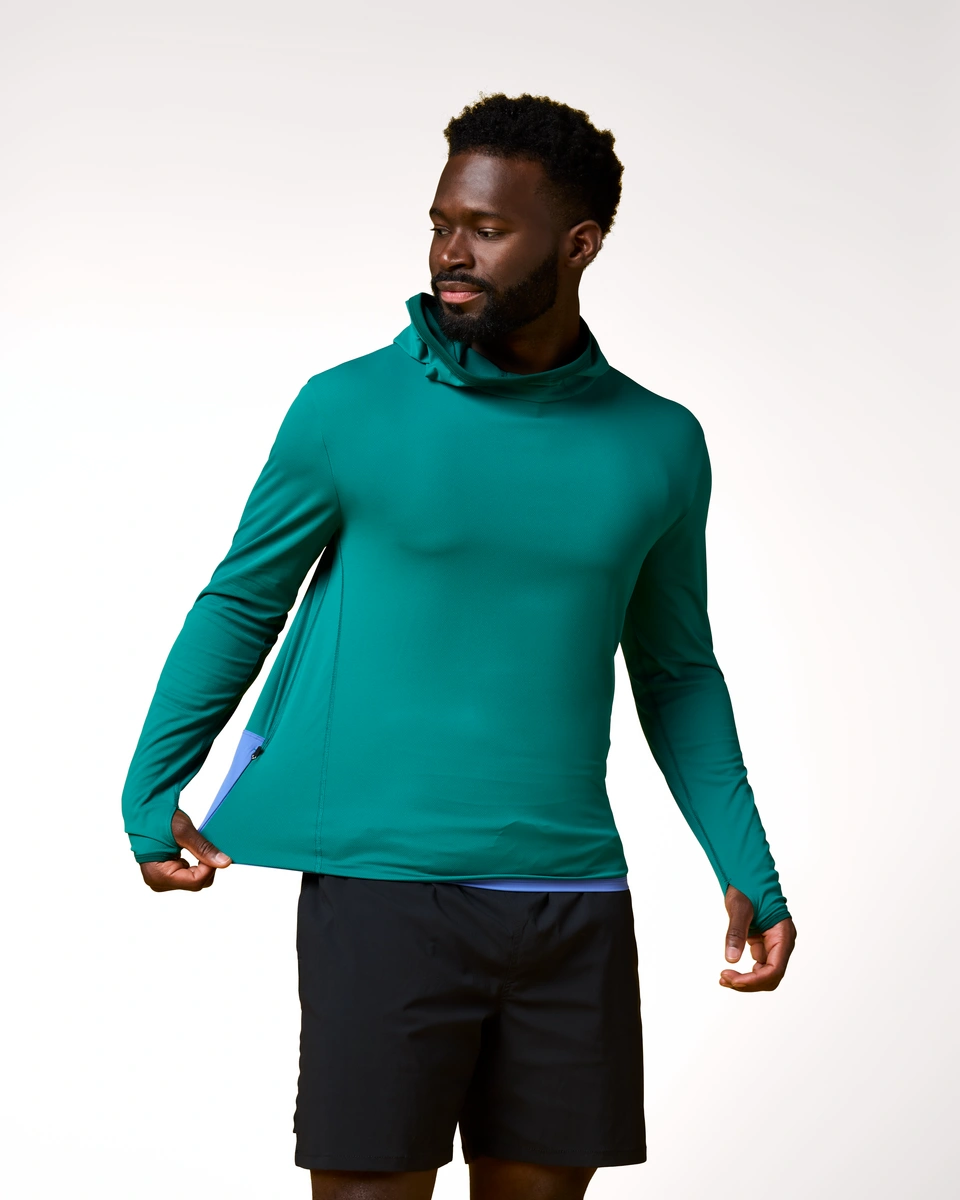
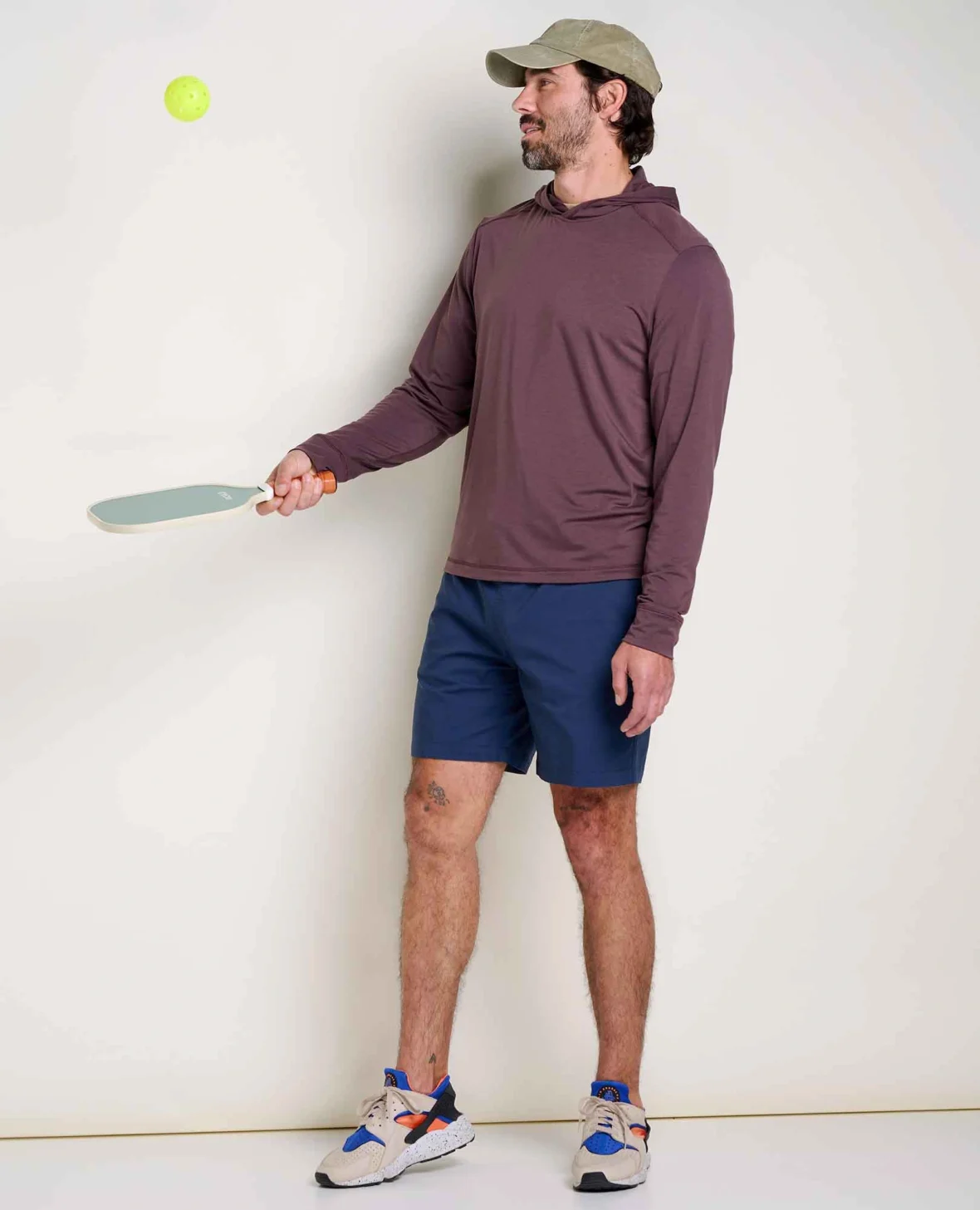
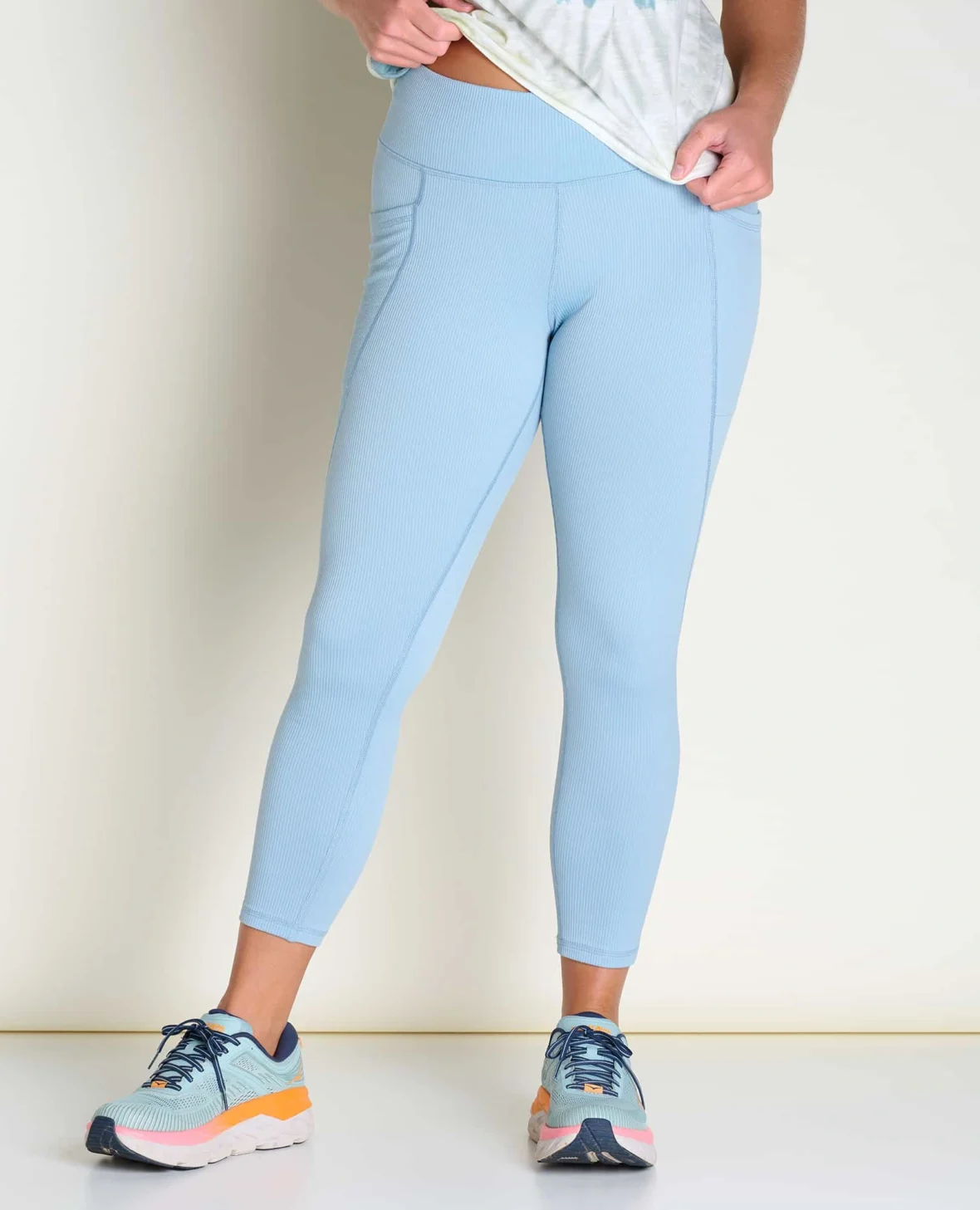
The sustainable clothing brand offers womenswear and menswear in organic cotton, recycled polyester, Tencel lyocell and hemp. A Certified B Corp, Toad & Co aims to cut out all of its plastic packaging by this year and purchases carbon offsets to support environmental projects. It also offers a pre-loved marketplace, allowing customers to sell back or trade in their merch.
Girlfriend Collective
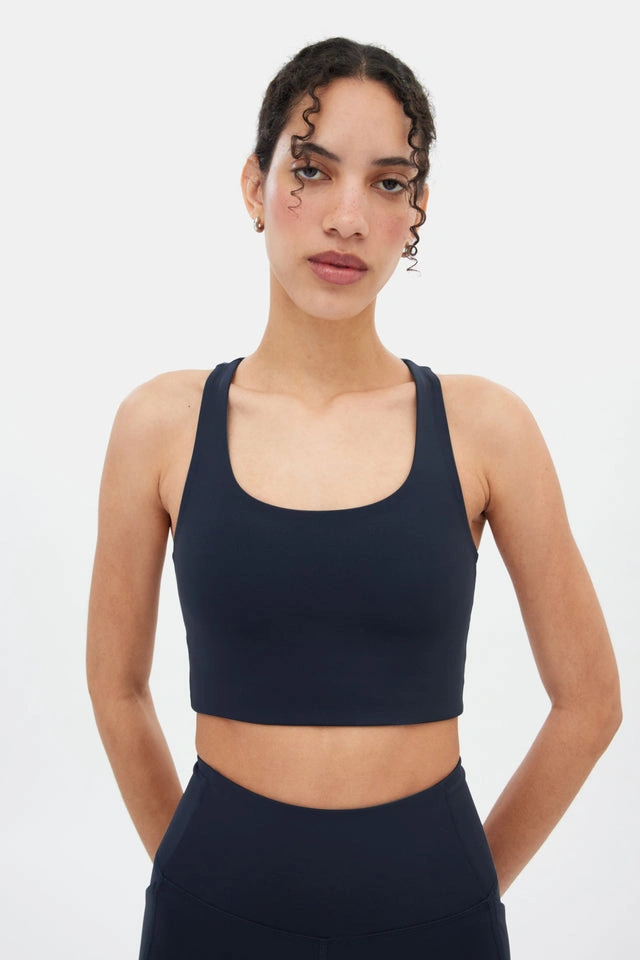
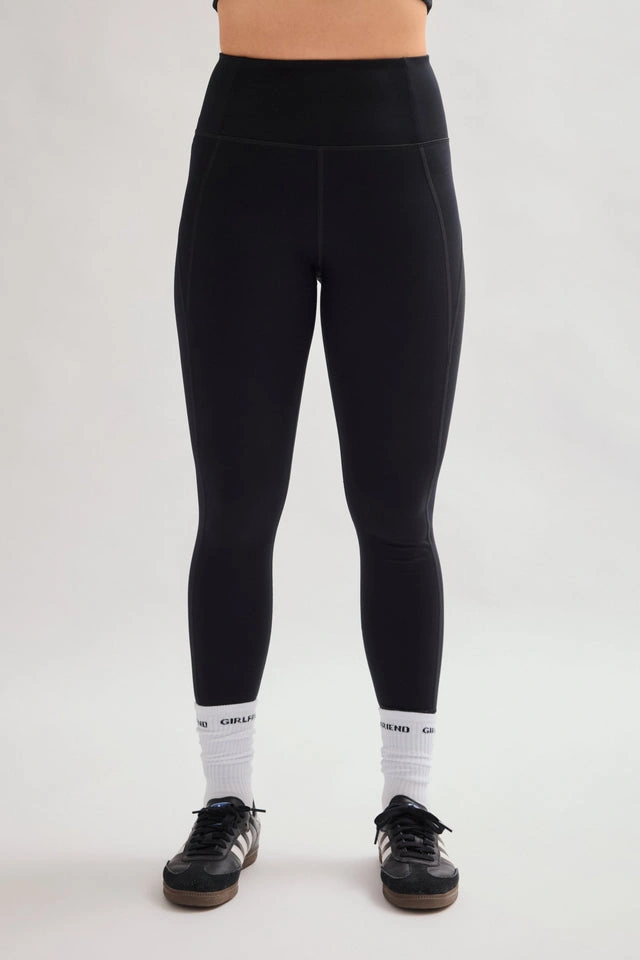
Girlfriend disrupted the activewear industry a decade ago by giving away its plastic water-bottle-based leggings. (To this day, the brand’s bestselling compressive high-rise leggings are a favorite of ATN editors.) The Seattle-based label also offers workout bras, tanks, biker shorts, dresses, sports briefs and and other sweat essentials made from a blend of recycled polyester and spandex.
Reprise
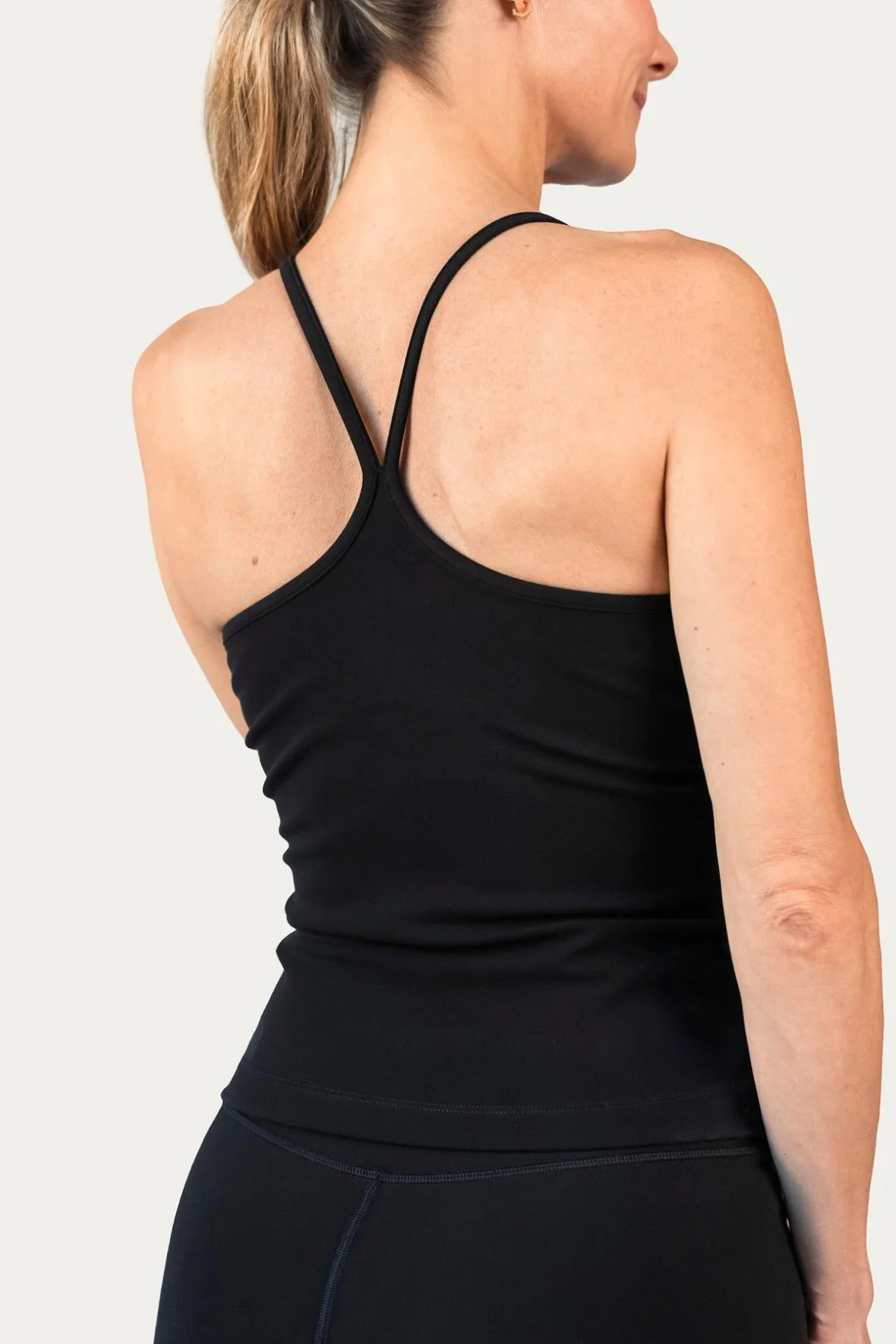
The Remake-certified sustainable brand uses GOTS- and Oeko-Tex Standard 100-certified organic cotton, Tencel lyocell and modal, fair-trade natural rubber and dyes in its activewear and accessories, and minimizes its use of spandex. Reprise is also a member of 1% of the Planet and works with Climate Action Reserve, Zero In On Neutrality and other nonprofits to combat pollution and climate change.
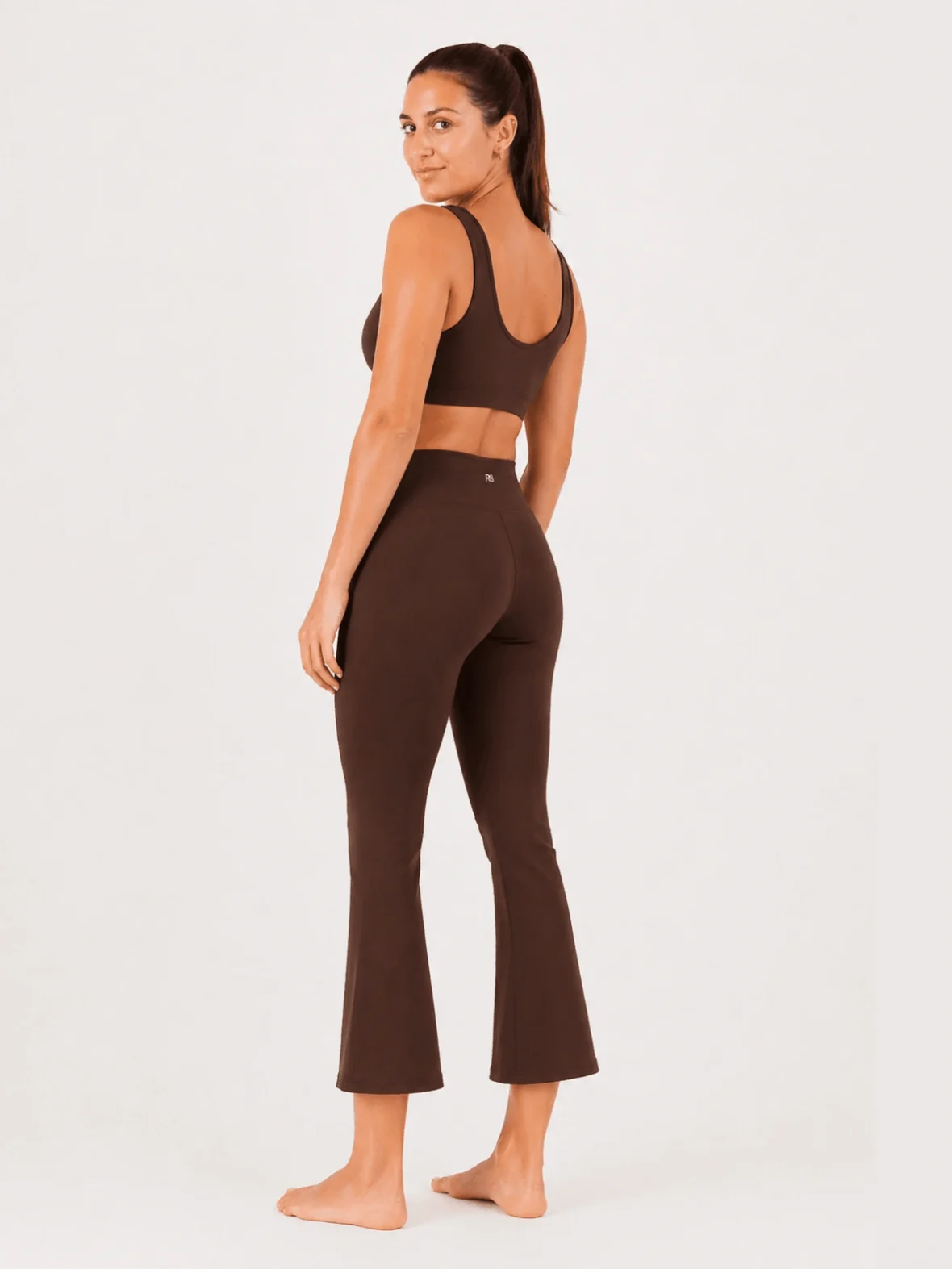
Reprise Maris Cropped Flare
$110
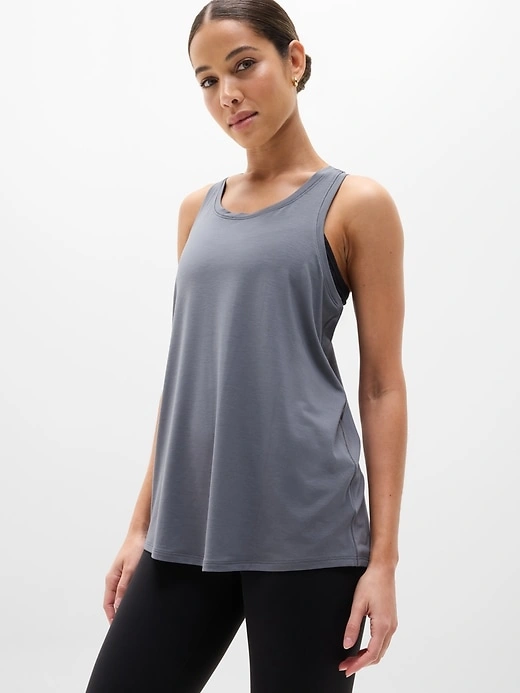
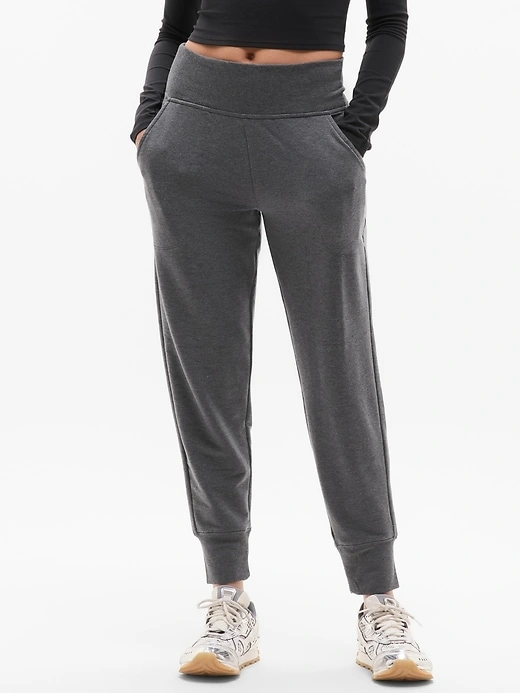
Since 2019, more than half of the Gap-owned brand’s pieces are made from recycled or plant-based materials, including recycled nylon and polyester, organic cotton and Tencel modal and lyocell. The Certified B Corp also offers a Pre-loved section to support circular fashion.
One of our favorite eco-friendly clothing brands, Pact’s Movement Shop features workout tops, bras, leggings and more made from fair-trade, GOTS-certified organic cotton. The company also offsets carbon footprint by supporting reforestation, renewable energy and community projects through its partnership with Simpli Zero.
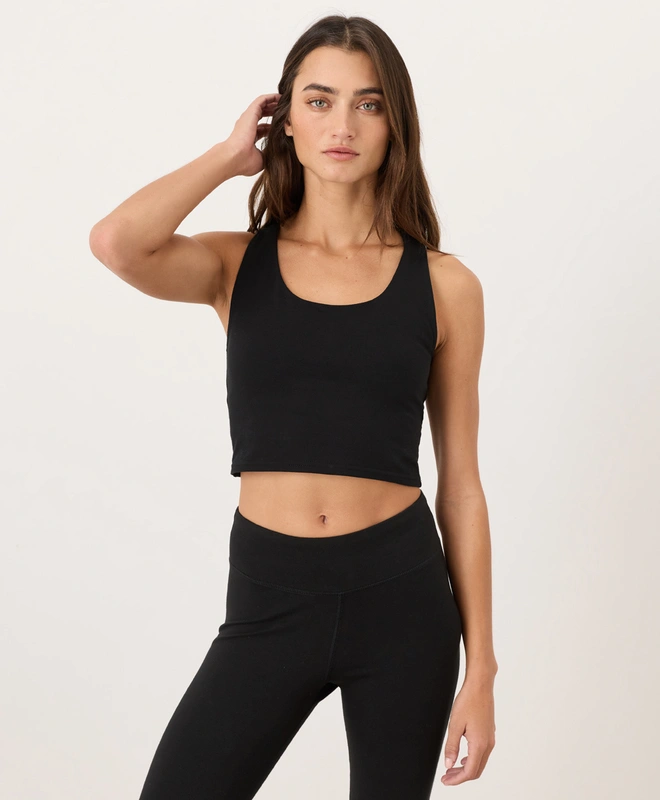
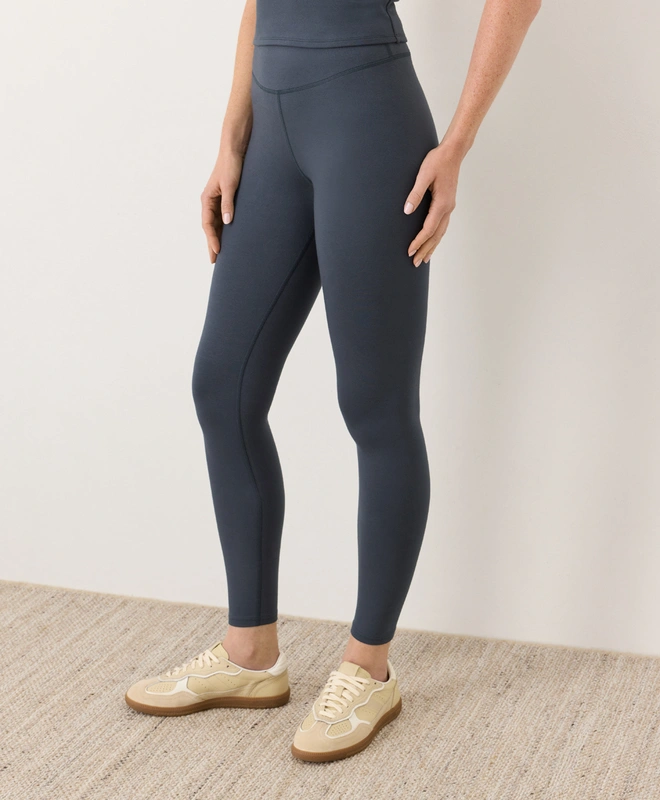
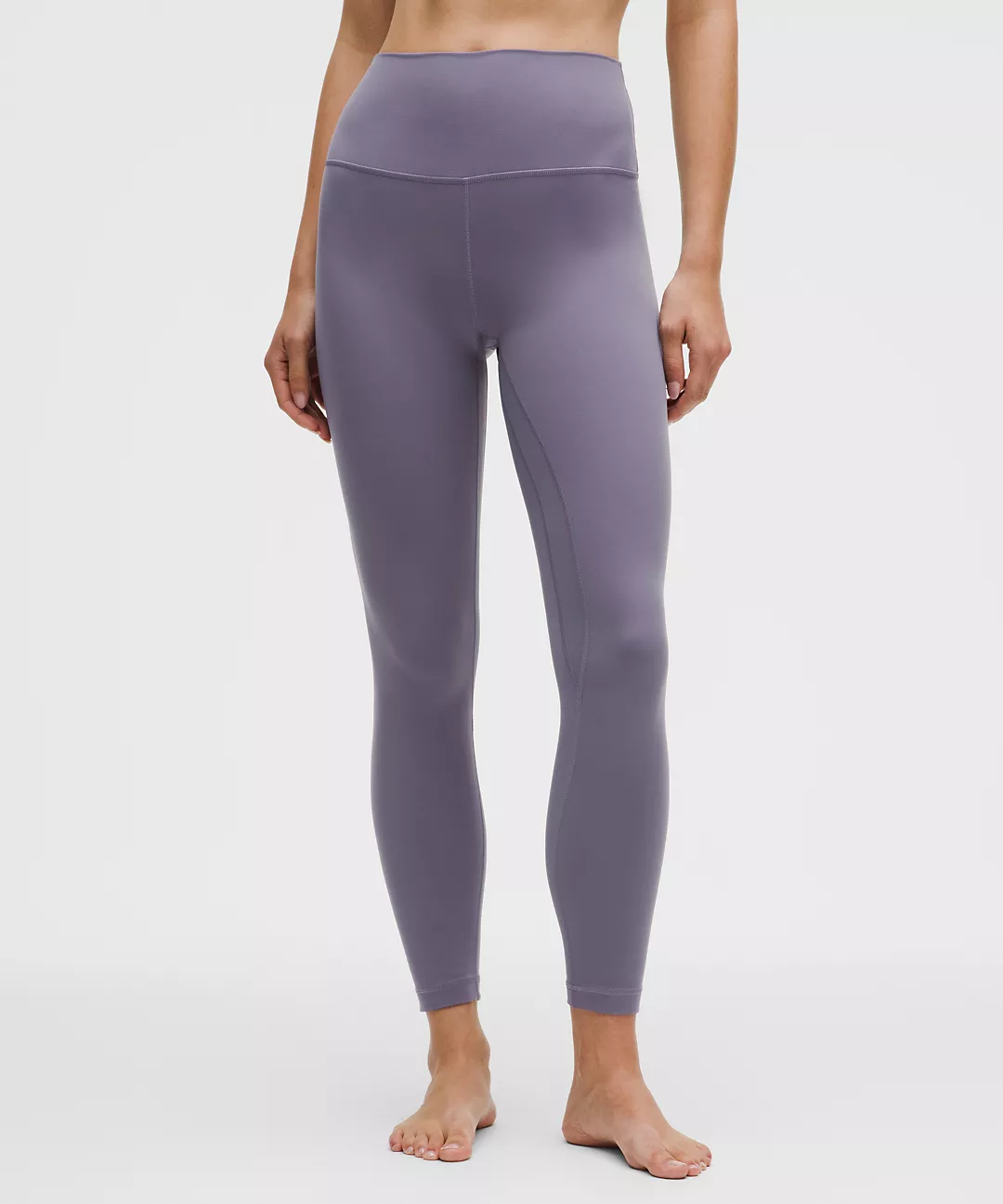
The Canadian brand is still working to phase out plastic-based fabrics such as nylon and polyester (which rely on fossil fuels to produce and are hard to recycle) and its overall sustainability. However, Lululemon’s circular Like New section continues the life of its bestsellers with pre-loved offerings, so those loyal to Mother Earth – and those buttery-soft Align tights – can save cash and potentially landfill-bound leggings.
“We often receive complimentary products to review at Athletech News. Each product we feature has been independently selected and reviewed by our editorial team.”
