


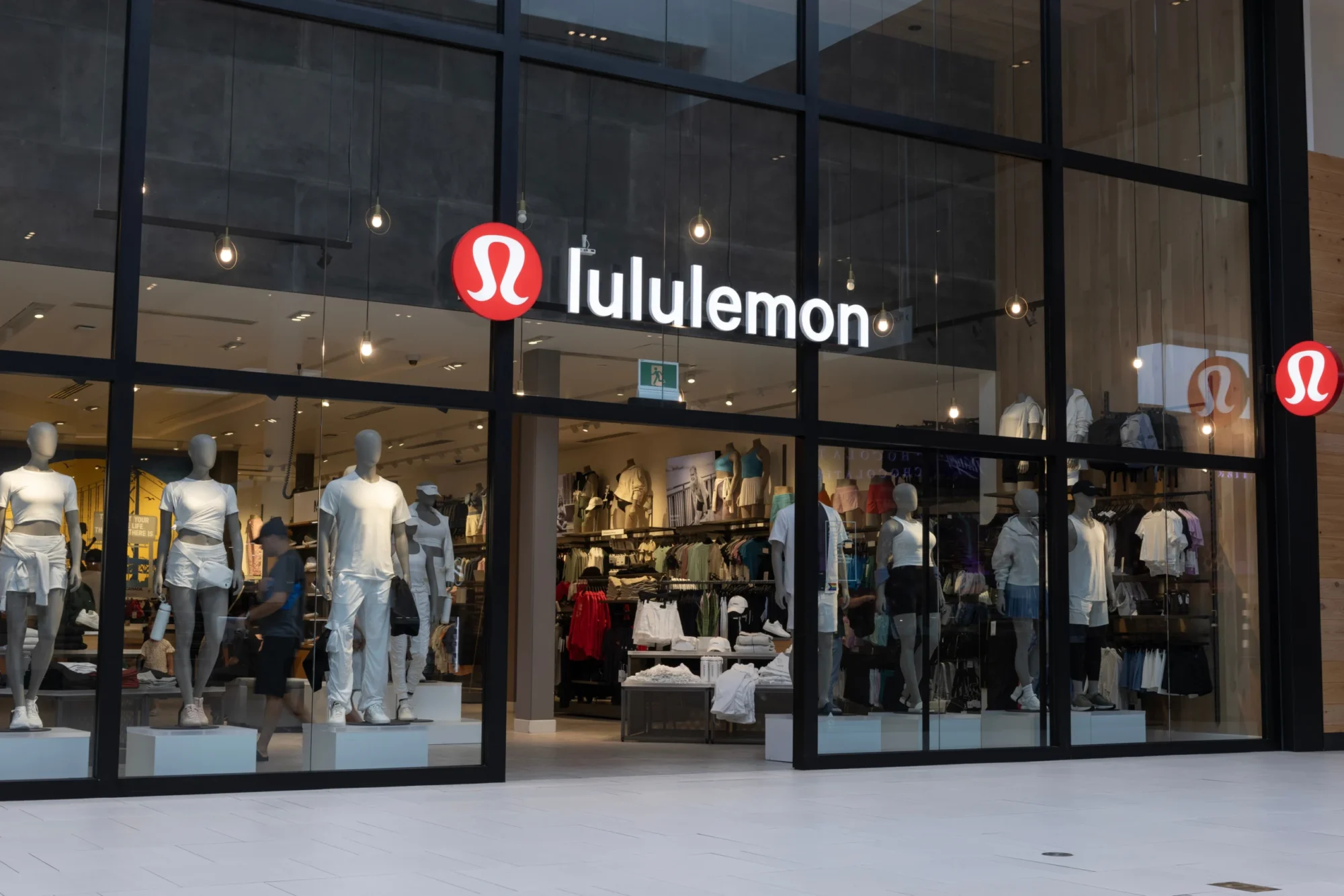
Lululemon has made a series of moves in sustainable materials innovation, but its latest arrives under the cloud of a PFAS investigation launched by Texas Attorney General Ken Paxton.
The leggings giant recently participated in a $12 million funding round for Epoch Biodesign, a startup using engineered enzymes to break down end-of-life nylon materials into reusable monomers to produce virgin-quality nylon 6,6, eliminating the need for raw materials derived from sources such as petroleum.
Nylon 6,6 is commonly used in many of Lululemon’s activewear offerings, the company has said.
“This is true circularity, built for scale,” the London-based startup wrote on LinkedIn in a post announcing the strategic round.
It’s not Lululemon’s first foray into sustainable materials in an attempt to “green up” nylon. Last year, the brand announced a multi-year partnership with ZymoChem to expand its use of bio-based nylon. Other partnerships include bio-based materials company Geno and Australian enviro-tech startup Samsara Eco.
In its Impact Report released last fall, Lululemon detailed a 10-year offtake plan with Samsara Eco to scale enzymatic recycling of nylon 6,6 and polyester, and flagged its ZymoChem collaboration as part of a push to commercialize plant-based inputs for nylon 6,6.

Despite its efforts, the activewear brand is no stranger to accusations of greenwashing, a term for overstating or misrepresenting environmental commitments. Such accusations have turned legal before, though a consumer lawsuit targeting the brand’s “Be Planet” marketing campaign was dismissed in February 2025. The suit alleged Lululemon’s marketing claims were misleading and that consumers paid a premium based on the brand’s environmental commitments.
Now, Texas Attorney General Ken Paxton is asking a more pointed question: what’s actually in the fabric?
Paxton’s office issued a Civil Investigative Demand to Lululemon as part of an investigation into whether the company misled consumers about the safety and health impacts of its products — specifically, whether its apparel contains PFAS, or “forever chemicals.”
Widely accepted as harmful, PFAS are synthetic chemicals that don’t break down in the environment or the human body, earning them the “forever chemicals” label. They have been linked to certain cancers, hormone disruption and infertility.
Paxton’s office will also review Lululemon’s Restricted Substances List, testing protocols and supply chain practices.
“I will not allow any corporation to sell harmful, toxic materials to consumers at a premium price under the guise of wellness and sustainability,” Paxton said in a release outlining the investigation. “If Lululemon has violated Texas law, it will be held accountable.”
A Lululemon spokesperson told outlets including NBC and Newsweek that the company does not use PFAS in its products, adding that they were phased out in fiscal year 2023, after being used in a small percentage of durable water repellent products.
The company added that it is cooperating with the investigation.
Meanwhile, Lululemon has more than PFAS accusations on its plate. The brand is without a permanent CEO following Calvin McDonald’s January departure. On the product front, it recently launched ShowZero, a sweat-concealing yarn technology developed with tennis player and brand ambassador Frances Tiafoe, inked licensing deals with the NFL and NHL and hosted an experiential fitness pop-up in Los Angeles with top trainers.
