


As more people look to support their fitness and wellness goals, the global protein supplement market is projected to hit $50.7 billion by 2031 at a 7.8% compounded annual growth rate, according to a new report.
Allied Market Research found that supplements like powders, bars and ready-to-drink (RTD) liquids are becoming more popular with consumers creating fitness-centered lifestyles that demand more sports nutrition and high-protein diets to boost muscle gains and weight loss.
Even as many consumers become increasingly embittered at the sight of more protein-infused products, protein’s dominance is inevitable as demand remains high, with Gen Z and Millennials leading the charge.
The report points out that the rise of gym memberships reflects an increasingly health-conscious public, especially among Millennials, who are predicted to dominate market consumption with the highest demographic CAGR of 8.2%.
Of those consumers, men maintain the highest share of protein buyers, and are only expected to continue growing. That said, the gap is narrowing: more women are leaning into strength training, and findings from last year showed that for the first time, women outnumbered men in seeking a higher protein intake.
Protein Powders Lead the Way as Plant-Based Grows
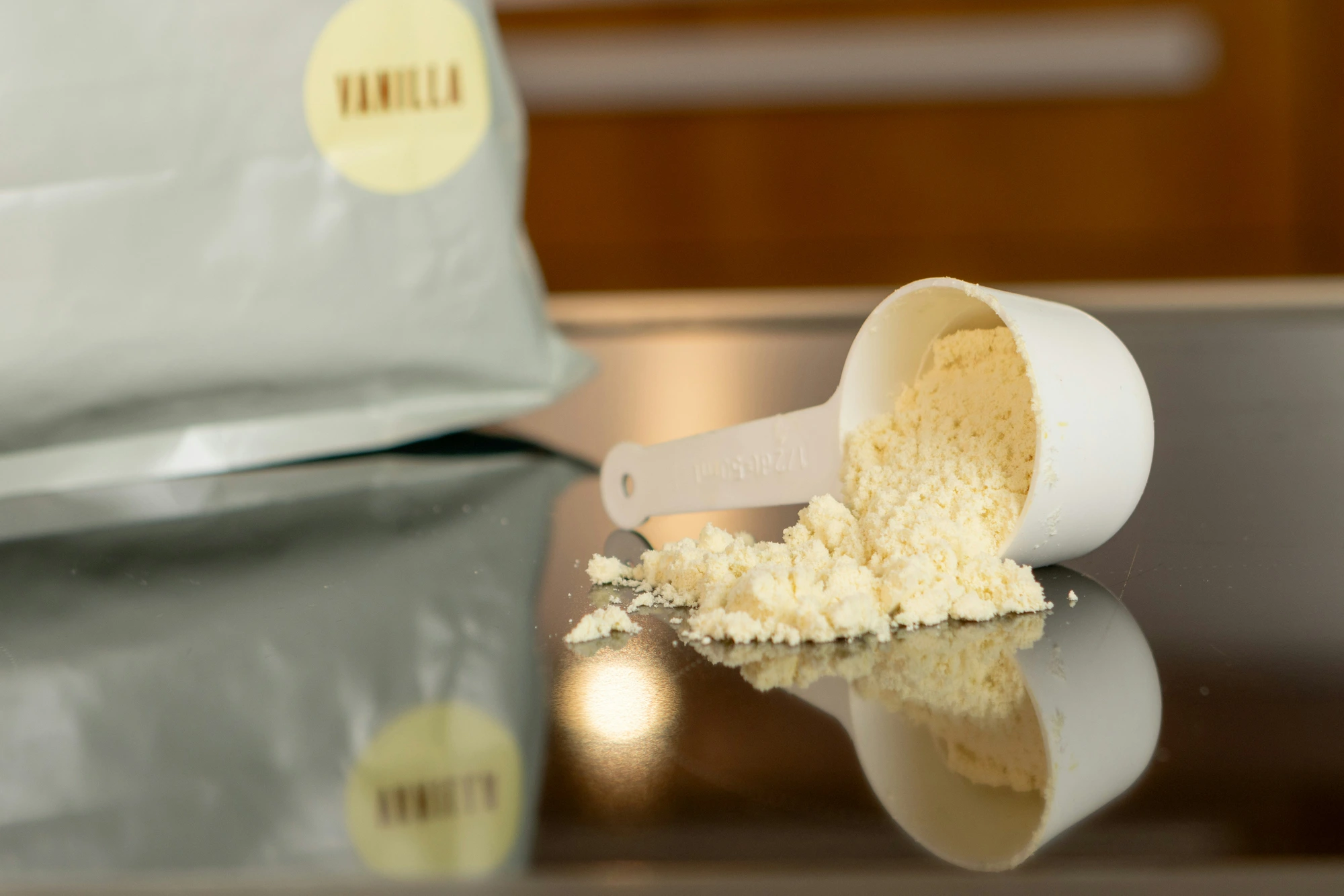
Despite recent controversy among protein powders, with findings uncovering concerning levels of heavy metals in popular supplements, powders continue dominating the market.
Protein powders held onto over 75% of the global protein supplement market share in 2021, and are predicted to maintain popularity — however, the report predicted that the RTD liquid segment will grow the fastest through 2031 due to the on-the-go convenience as consumers reach for fitness-conscious snacks more frequently.
Whey-based protein seems to be holding strong as the gold standard of protein supplements, contributing the highest share in 2021, capturing nearly one-fifth of the global market. Its popularity is bolstered by athletes and fitness enthusiasts who utilize the easily absorbed protein source for muscle gains, perceiving the product as higher quality and having more “clean-label” ingredients, the report pointed out.
Although animal-based protein isn’t going anywhere, there seems to be a key growing market for plant-based protein, especially derived from soy.
The report projects the soy protein segment is anticipated to grow the fastest, with an 8.6% CAGR during the forecast period 2022-2031, attributed to the health benefits of soy and plant-based products. Plant-based, overall, is estimated to be the fastest-growing segment from 2019-2024.
North America Loves Protein
Of all global markets, North America generated the highest revenue in 2022, taking up nearly two-fifths of the protein supplement market worldwide.
That aligns with findings from a recent trends report, which found that Americans’ demand for protein isn’t slowing down anytime soon, as 54% claimed they consider themselves “someone who is actively trying to get more protein” in their diet.
China and India could see more growth in RTD liquids, with a rising trend of on-the-go snacking products in those regions, while lifestyles are beginning to skew healthier overall in Asia-Pacific.
Meanwhile, in Europe, there continues to be a growing wellness-focused consumer base, specifically those focused on “clean eating,” organic and plant-based protein products.
