


Oura is taking a meaningful step forward in women’s health, expanding its platform beyond cycle tracking into a more comprehensive view of hormonal health across key life stages.
The smart ring maker announced the launch of Hormonal Birth Control support and Menopause Insights, two new features designed to help women better understand how hormonal shifts influence their physiology. The features will begin rolling out globally on May 6.
The update marks Oura’s most significant push yet into hormonal health, an area that has traditionally been underprioritized in research and clinical settings.
“Hormonal health has been treated as an afterthought in both medicine and technology for decades,” said Holly Shelton, chief product officer at Oura, in a statement. “By connecting hormonal context to the biometric data Oura tracks, we’re giving women visibility, language and evidence they’ve never had at this scale.”
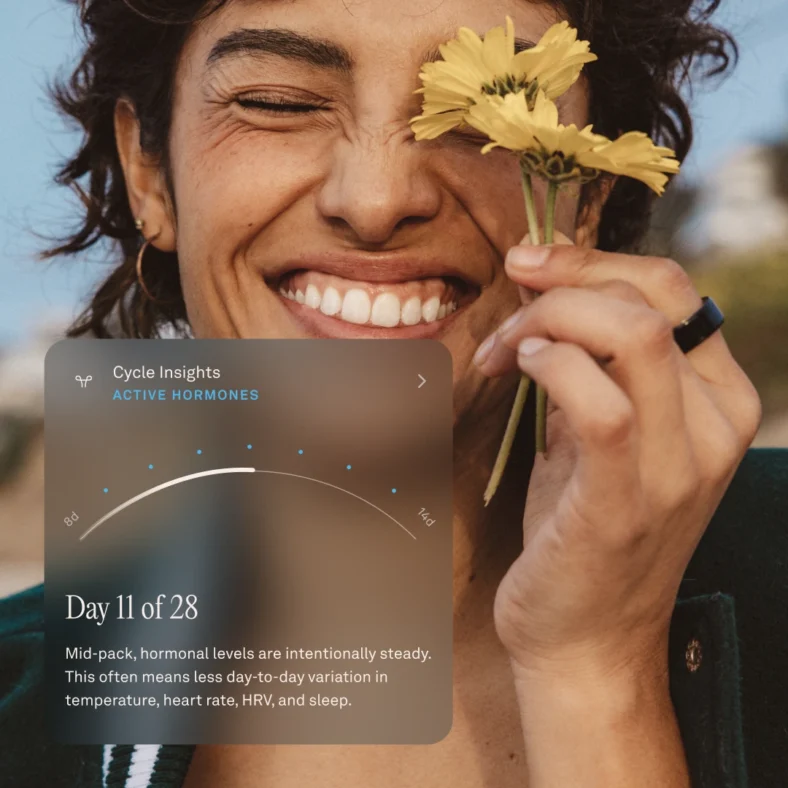
At the core of the expansion is an evolution of Oura’s existing Cycle Insights feature. The new Hormonal Birth Control support adapts the experience for women using pills, patches, IUDs and other methods, allowing users to log their specific contraception and track how it may affect baseline metrics over time. Up until this innovation, most wearables were unable to provide key hormonal insights to women on contraceptives, rendering the hormonal health offerings largely unusable.
The feature is designed to address a longstanding gap in women’s health data, where hormonal contraception has often been treated as a static input rather than a dynamic variable tied to daily physiology.
Oura is also extending its reach into care delivery through a U.S. partnership with Twentyeight Health, enabling members to connect directly with licensed clinicians for same-day virtual appointments, prescriptions and ongoing contraceptive counseling. The integration allows users to share cycle and sleep data to inform more personalized care.
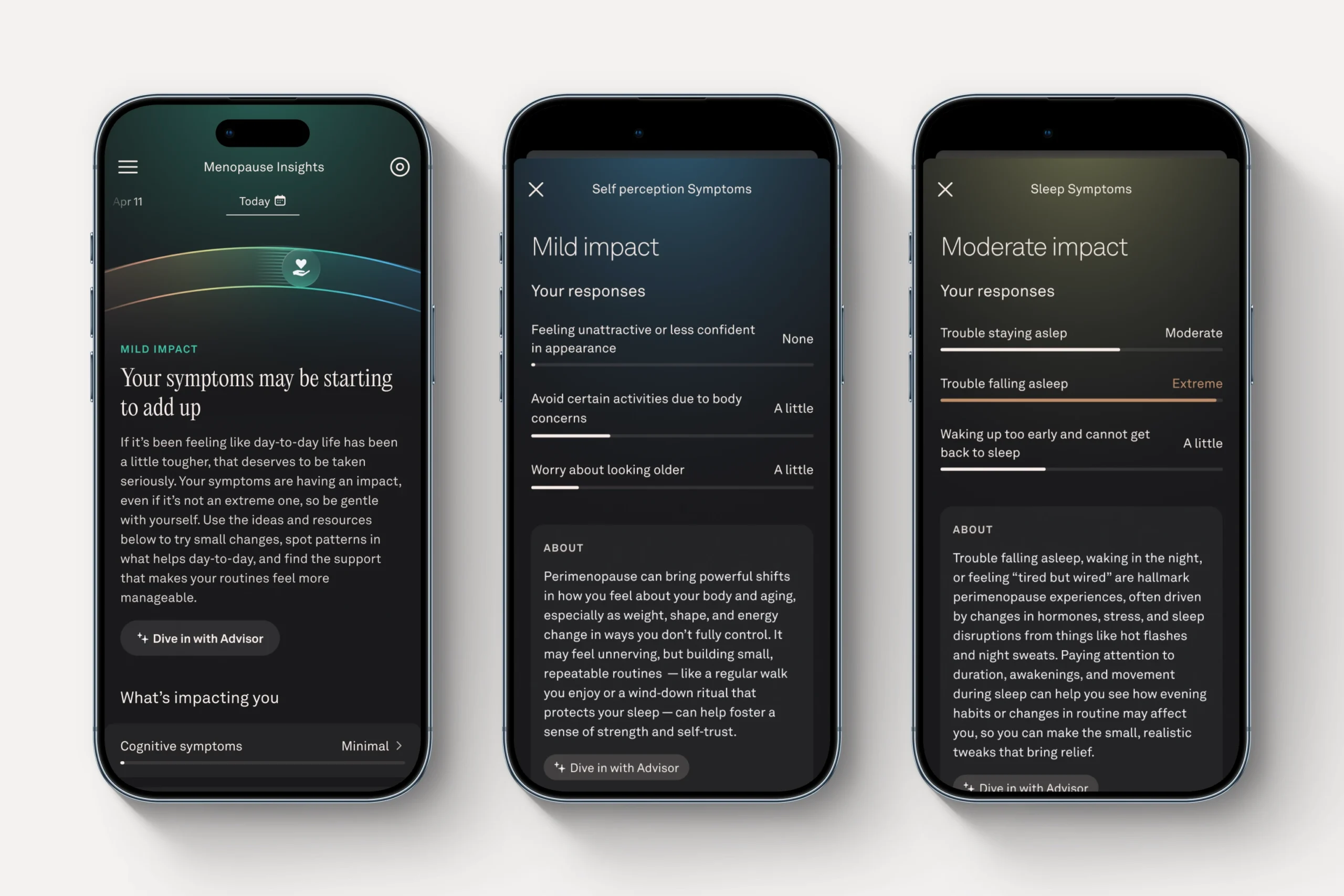
The second feature, Menopause Insights, is built around a proprietary Menopause Impact Scale, the experience combines subjective symptom tracking with longitudinal biometric data to help users better understand how perimenopause and menopause are affecting their quality of life.
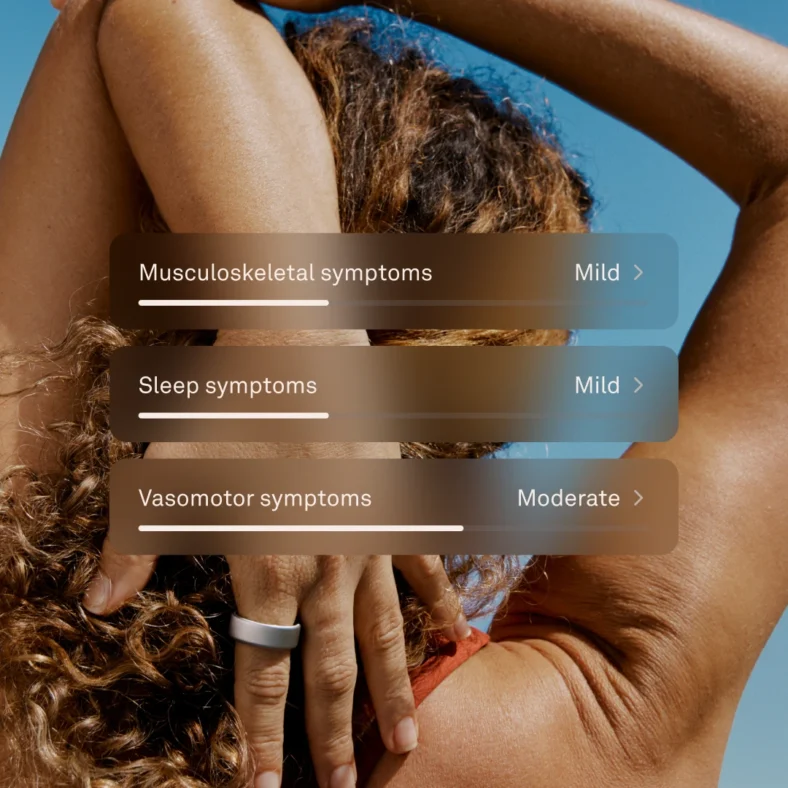
After completing a guided assessment, members receive a personalized dashboard that categorizes symptom impact across areas like sleep, cognition and mood. Over time, users can track how lifestyle changes, stress or interventions influence both reported symptoms and objective data.
“Too often, women are left to piece together symptoms from search results, social media and brief check-ins that don’t capture the full picture of their health,” said Chris Curry, MD, PhD, clinical director of women’s health at Oura. “Menopause Insights brings each member’s long-term biometric patterns together with what they’re experiencing day to day.”
The expansion builds on Oura’s growing suite of women’s health tools, which already includes Cycle Insights, Fertile Window tracking and Pregnancy Insights, alongside a recently introduced domain-specific AI model designed to interpret women’s health data through a more clinically grounded lens.
