


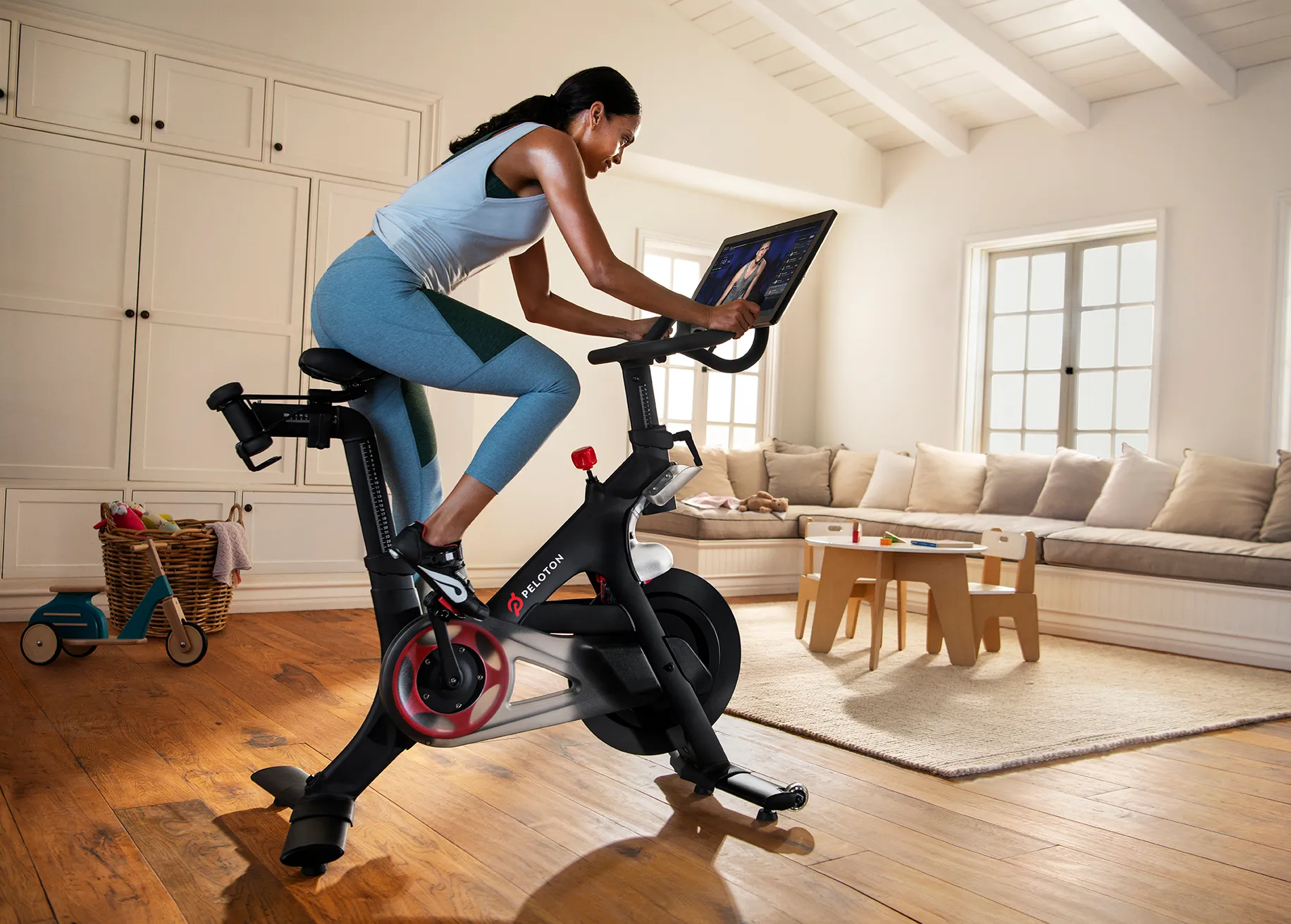
It’s hard to believe the pandemic was only six years ago, a strange time that feels decades in the past, one that changed countless aspects of life.
In fitness, it did two things at once: it sent people scrambling to build home gyms, and it ignited a flurry of at-home connected fitness equipment and other hardware.
Perhaps more than anything, the pandemic created a more health-conscious consumer, concerned about longevity and preventive well-being — many of whom are now evaluating real estate purchases and putting a luxury gym in the same “non-negotiable” list as a fantastic view, or assessing hotels based on their fitness and wellness amenities before booking.
And the category still has room to expand.
Though the road has been bumpy at times for fitness equipment brands, home consumers accounted for more than four-fifths of global fitness equipment revenue in 2023 and are projected to hold that dominant share through 2033, according to a new report from Allied Market Research.
The global fitness equipment market is forecast to reach $18.4 billion by 2033, growing at a 3.02% CAGR from 2024, the report notes, adding that it’s among the most resilient segments in global consumer goods.
Though strength training is top-of-mind for many fitness consumers now, cardio equipment led the market in 2023, per Allied, with treadmills, stationary bikes and ellipticals doing the heavy lifting. North America dominated global revenue that year, but Asia Pacific is emerging as a fast-growing region, due in part to urbanization and rising health app engagement.
While health clubs and gyms remain the main buyer for commercial-grade equipment, Allied notes that hotels, resorts and residential complexes are investing in fitness amenities as a retention tool. Corporate and public institutions, such as major employers and college campuses, are also increasingly adding connected equipment in response to the growing number of employee wellness programs.
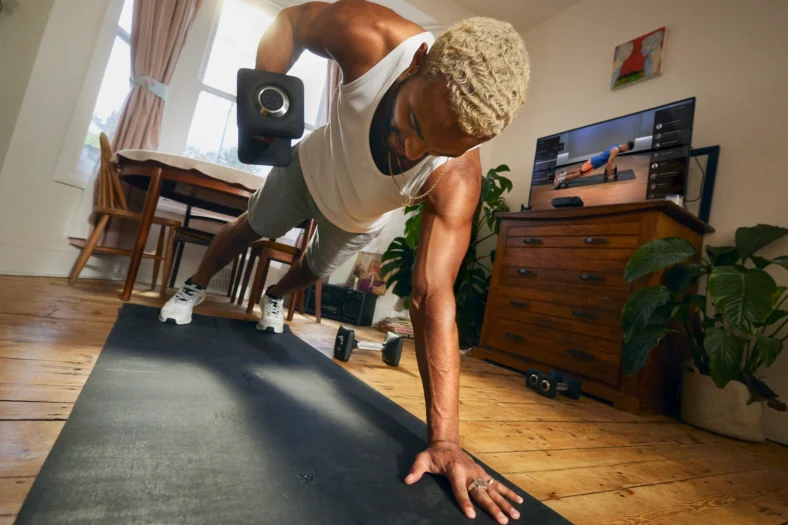
Brands, meanwhile, are following the consumer in whatever form that takes: home, office or on vacation.
Peloton made that clear last fall with the launch of its Pro Series, the connected fitness giant’s first major push into commercial-ready equipment built for hotels, residential buildings, corporate wellness centers and country clubs.
Matrix Fitness is making a similar move on the hospitality front. The premium commercial equipment maker recently renewed its partnership with the International Luxury Hotel Association for a second year, deepening its push into upscale wellness tourism across high-end hotels, spas and cruise lines.
It’s not just fitness equipment leaders making the move. Luxury residential developers in major cities are increasingly building fitness experiences that rival boutique studios and nearby gyms with Peloton-outfitted spaces, Pilates reformers and Woodway treadmills.
In New York’s Upper West Side, 720 West End Avenue features Peloton equipment, Echelon Reflect smart mirrors, dedicated yoga and Pilates studios and a multi-purpose squash and basketball court, giving its condo residents little reason to keep a gym membership.
“When you combine nearly 30,000 square feet of amenities with next-generation fitness technology inside a restored landmark, it sends a message about investment, vision and long-term thinking,” Glacier Equities managing partner Myles Horn told Athletech News. “In many ways, wellness has become an indicator of how progressive and complete a luxury property truly is.”
