


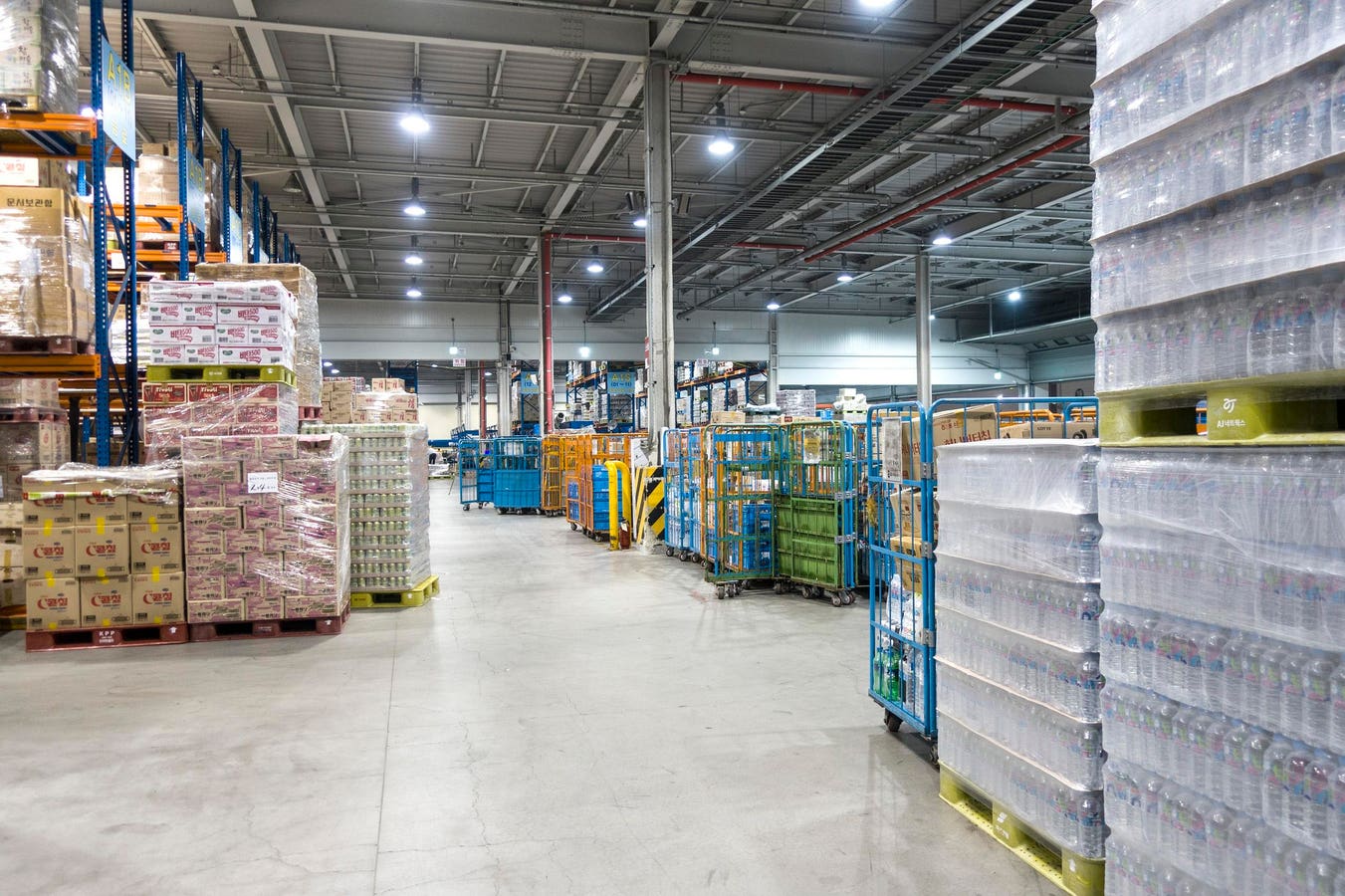
Grocery wholesaler C&S has acquired rival Spartan-Nash for $1.77 billion.
In the wake of the recent UNFI cyberattack-driven product outages that have impacted thousands of grocery stores, two of the largest grocery wholesalers are now becoming one. C&S, a privately-held distributor with over $23 billion in annual sales, is acquiring publicly-traded SpartanNash for $1.77 billion. The combined entity will manage over 60 warehouses, 200 grocery stores and service tens of thousands of independent and family owned grocery stores across the U.S.
“Being able to operate at a larger scale, supported by the combined innovative capabilities of the two companies, enables a more efficient supply chain as well as an ability to secure the best possible delivered cost of goods and promotional discounts, which are expected to translate to better pricing for community retailers and at the shelf for consumers,” the companies stated in a press release. C&S also admitted the acquisition was a competitive hedge to mass merchants such as Walmart’s growing marketshare in the grocery industry, and a seeming benefit to the many independent grocers serviced by C&S and SpartanNash.
C&S has plenty of cash on their balance sheet for the deal and had previously attempted to take over 600 stores as part of the failed Kroger-Albertsons merger. They recently acquired over 170 Southeastern Grocers stores via Aldi. Both chains have continued to increase their investment in retail and vertical integration throughout their supply chains. C&S also recently shut down a facility in Florida, laying off over 500 workers. The company has also been known to aggressively bust trade unions representing the employees of companies that it has acquired.
By taking on SpartanNash, C&S extends their reach into new markets across the midwest and west coast of the U.S. The merger makes the already consolidated grocery wholesale sector that much more concentrated, with just four companies, including C&S, McLane, UNFI and KeHe, controlling a huge share of the business between manufacturing and retail at national chains such as varied as Walmart, Whole Foods, Sprouts, Albertsons and regional, independent and family-owned grocers. The last big wholesale merger of this scale was in 2018, when UNFI was spurred on by investors to acquire SuperValu as a hedge against Amazon acquiring Whole Foods, UNFI’s largest customer. KeHe Distributors acquired DPI Specialty Foods in a smaller deal in 2023.
Wholesaling is an essential feature of the U.S. grocery industry and is typically invisible to consumers. While there are still family owned, scrappy, independent wholesalers servicing grocers in many cities, the grocery marketplace will now have fewer choices for brands to use as distributors to sell into retail, or for retailers to pull their vast assortments from.
Retailers play a huge part in consolidation, as they tend to have volume-dependent, contractual “cost-plus” relationships with wholesalers that incentivize them to funnel many suppliers into a “primary” wholesaler that manages a huge portion of their product assortment and inventory. The cost-plus mark-ups wholesalers give to key retailer partners are typically lower than the wholesalers’ gross margins, meaning they have to tap many “inside revenue” streams from suppliers to make up the difference and stay in the black. Their bottleneck in the supply chain further enables wholesalers to extract such rents from brands in the form of various fees, deductions, marketing programs, and promotional discounts, which brands pass onto consumers in the form of higher prices.
Wholesale consolidation also makes it more difficult for suppliers, especially cash-strapped emerging brands and small to midsized farms and manufacturers, to avoid this deluge of rent-seeking activities. Such practices make further CPG consolidation inevitable, as incumbent brands are best positioned to afford the huge cash outlays that wholesalers demand of brands. They also make the food industry more fragile, homogenous and boring, and less likely to adapt to changing consumer preferences and less responsive to climate and geopolitical instability. At the end of the day, shareholders are the biggest winners of wholesale consolidation.
The UNFI outages over the past few weeks were a stark reminder of the fragility of consolidation and centralization of grocery wholesale. One wave of cyberattacks crippled the $31 billion a year behemoth, impacting tens of thousands of stores and millions of customers, and sending retailers scrambling to food service distributors and smaller wholesale outlets for essential products. Whether it is another cyberattack, a new pandemic, new trade wars or geopolitical instability that is the fallout of Trump’s latest foreign policy folly, a consolidated whole sector is unlikely to be the best model to ensure that consumers have the freshest, best quality, and most affordable food on shelves at grocery stores.
