


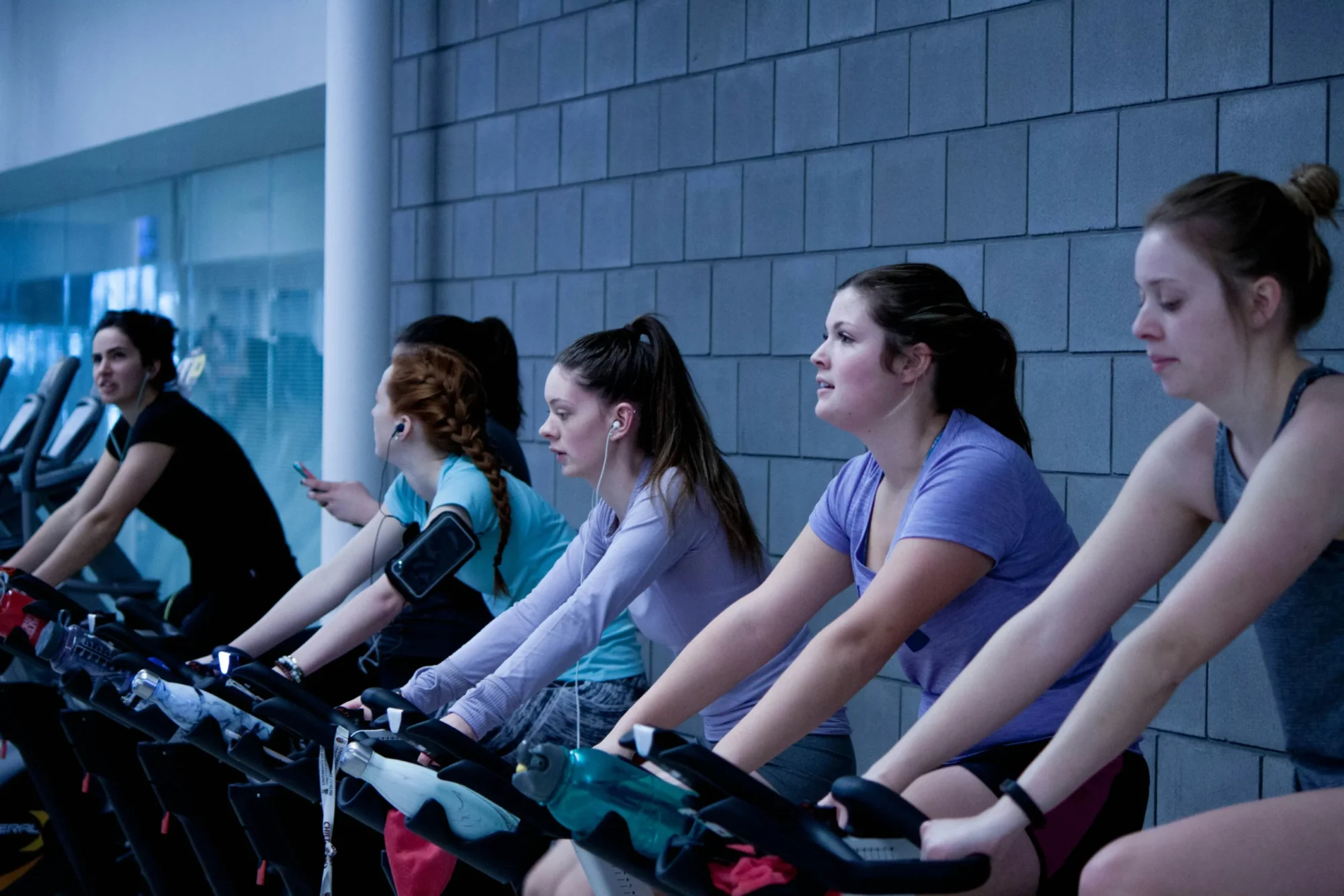
Gyms are in the middle of an identity shift. Rather than simply being a place to work out, fitness facilities are increasingly adding cafés, child care centers, pickleball and padel courts, youth sports programming and even evening social hours to drive connection among members.
The membership model is diversifying, too, from 24/7 unstaffed access to women-only concepts with a market projected to hit $10.6 billion by 2033, according to Verified Market Reports.
Each variation introduces its own operational and liability considerations, and insurers are watching closely.
Where Growth Meets Liability
Kelsey Closson, vice president of recreation at K&K Insurance, works with fitness center clients nationwide. She said that the industry’s evolving nature is creating new considerations on the insurance side, and it’s created blind spots for operators.
One of the most overlooked, she said, is what happens after an incident.
Consider this: a RunRepeat survey found that more than half of 1,107 female gym members polled reported experiencing harassment at the gym, sometimes from trainers and staff. It’s the kind of exposure that can quickly escalate into a claim, and when it does, Closson said preservation is just as important as prevention.
“If something happens today, it’s just an incident and then it becomes a claim a year later,” she said. “You don’t realize the impact of it at the initial point. So securing that investigative material is an overlooked issue when it comes to claims.”

The subjective nature of certain incidents can also compound the problem.
“What’s important to one person or impactful to one person — everyone has a different point of view, and they don’t always realize that it’s going to develop into a claim,” she added.
Closson notes that industry best practices usually suggest implementing a formal incident logging protocol that timestamps every report, as well as retaining the surveillance of all incidents.
As gyms edge into clinic territory, offering weight loss medications and other therapies with a gym-as-a-clinic model, Closson acknowledges the model is gaining traction, even as insurers are still working through the specifics with clients.
“It is often a very nuanced discussion because the offering of prescription medication could present the need for insurance products specific to medical professionals,” she said. “It is important that gym owners discuss their specific risk with their insurance agent.”
When the Doors Never Close
The rise of low-labor, round-the-clock fitness concepts has also added new variables to the underwriting equation. A growing number of 24/7 gyms now operate with minimal staffing, relying on cameras and access controls instead of staff, such as PureGym, kickboxing franchise 9Round Kickboxing and Hotworx, an infrared fitness concept.
In response, Closson said carriers want to see that owners have controls in place, particularly around badging systems that track who enters and exits the facility, providing a level of security.
“We want to make sure that those badging aspects are in place, as well as the cameras and such,” she said.
Beyond the Weight Room
But the biggest challenge may not be any single risk factor, but rather the pace of change, as gyms morph into community spaces serving a variety of clients and needs. Each new offering adds a new exposure that must be underwritten, from childcare to self-defense classes.
Climbing gyms are another fast-growing category, gaining popularity for their third-space vibes. As Closson pointed out, they can range from membership-based operations to entertainment-style venues, each with its own complications.
“The thing about climbing gyms that can be unique is a lot of minors will attend those as well,” she said. “So that makes those a bit more complicated from that perspective.”
Closson emphasizes that the fundamentals, such as strong staff training, preserved evidence and keeping your insurer in the loop as offerings expand, remain critical to reducing risk. But perhaps the most important area to consider is proper equipment protocols.
“If I were starting a gym, I think one thing that I think is easy to overlook is the importance of the equipment — making sure that you’re following the manufacturer guidelines for said equipment,” Closson said. “There are a lot of claims that we have around treadmills not being in the right distance from the other treadmill, and if you don’t follow those manufacturer guidelines, it just creates an opportunity for the claim values to increase.”
