


(Bloomberg) — European equities dropped as US President Donald Trump’s latest pronouncements on trade tariffs drained investor appetite for riskier assets.
Most Read from Bloomberg
Listen to the Bloomberg UK Politics podcast on Apple, Spotify or anywhere you listen.
The Stoxx 600 index fell 0.3%, with mining and technology shares faring worst. The benchmark was off its Friday lows after French inflation data boosted the case for European Central Bank interest-rate cuts. US futures edged higher after Thursday’s slump in the S&P 500 erased its gains for 2025.
Bitcoin plunged, extending declines from its January peak to over 25%, in a striking pullback for one of the most popular Trump trades. The dollar edged up and Treasuries advanced, with US 10-year yields touching levels not seen since December.
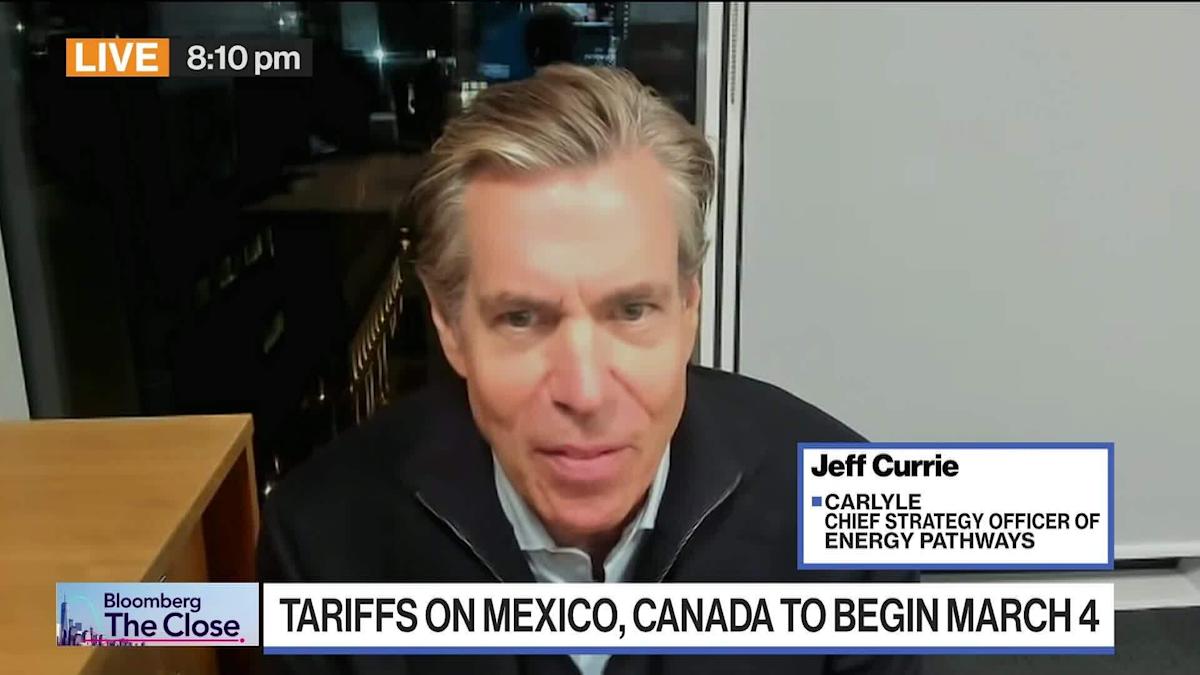
Trump said 25% tariffs on Canada and Mexico would come into force from March 4, while Chinese imports would face a further 10% levy. Economists say tariffs may hurt US growth, worsen inflation and possibly spark recessions in Mexico and Canada. China vowed “all necessary measures” against the US moves.
“This is not an environment for de-risking,” said Laura Cooper, global investment strategist at Nuveen, on Bloomberg Television. “Perhaps it is just the case of finding hedges to protect the downside, because that 4th of March deadline is looming.”
A reading of US inflation due later today comes into sharper focus now that tariffs could be implemented sooner than anticipated, with any surprising increases likely to shake up the market.
The Federal Reserve’s preferred inflation metric is expected to cool to the slowest pace since June. The core personal consumption expenditures price index — which excludes often-volatile food and energy costs — probably rose 2.6% in the year through January.
Overall PCE inflation likely eased on an annual basis as well, according to the median estimate in a Bloomberg survey of economists.
On the outlook for stocks, Bank of America Corp. strategists said a reversal of the post-election rally would spark investor expectations for intervention by President Donald Trump to support the market.
The S&P 500 has slipped almost 3% this month, in part on worries that Trump’s proposed tariffs would fuel a global trade war. It’s now just about 1% from its closing level of 5,783 points on Nov. 5, the day of the Presidential election. About half of S&P 500 members are now down since election day, according to data compiled by Bloomberg.
