


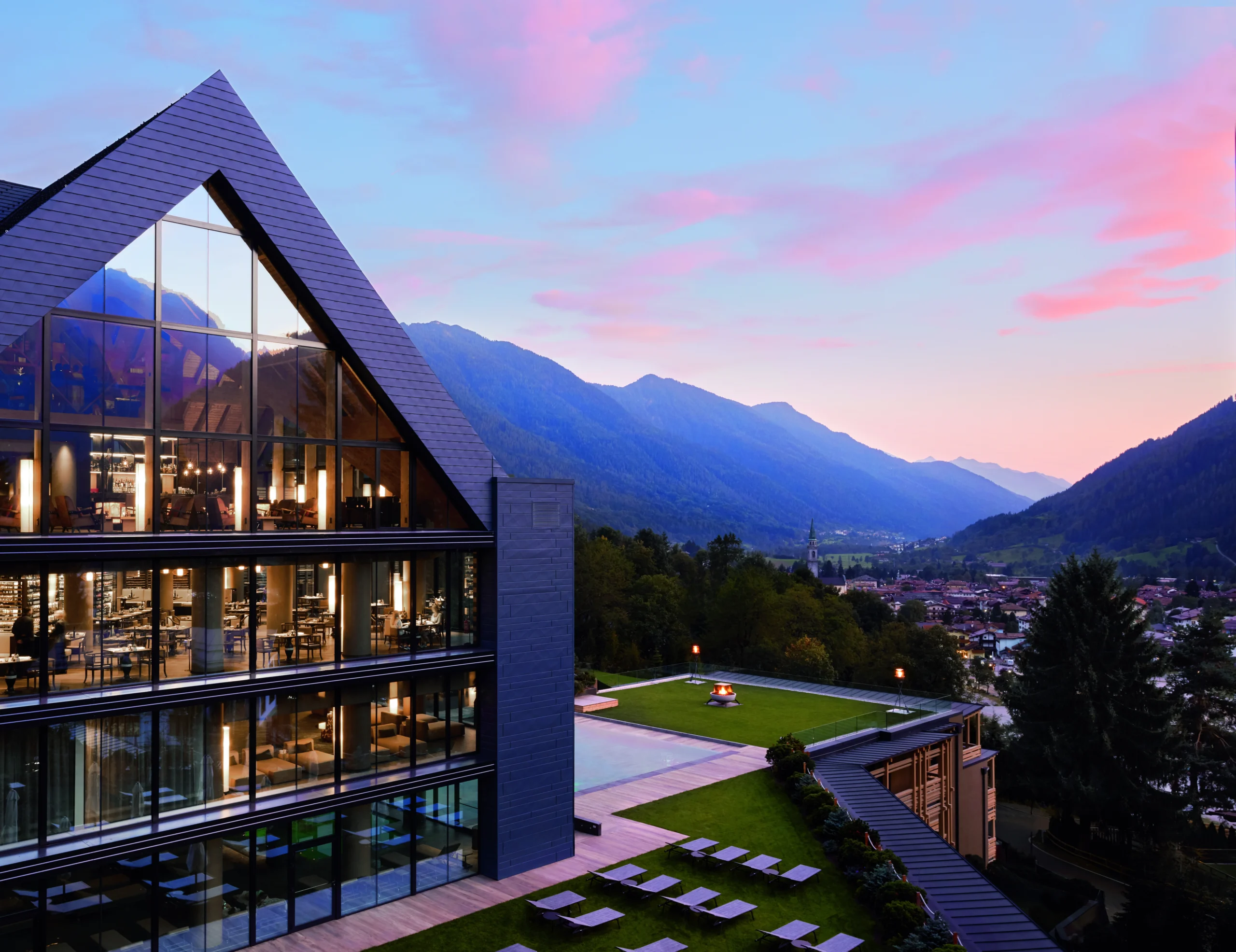
As travelers increasingly book trips around their health and wellness, Marriott has made a major investment to elevate the luxury wellness tourism experience.
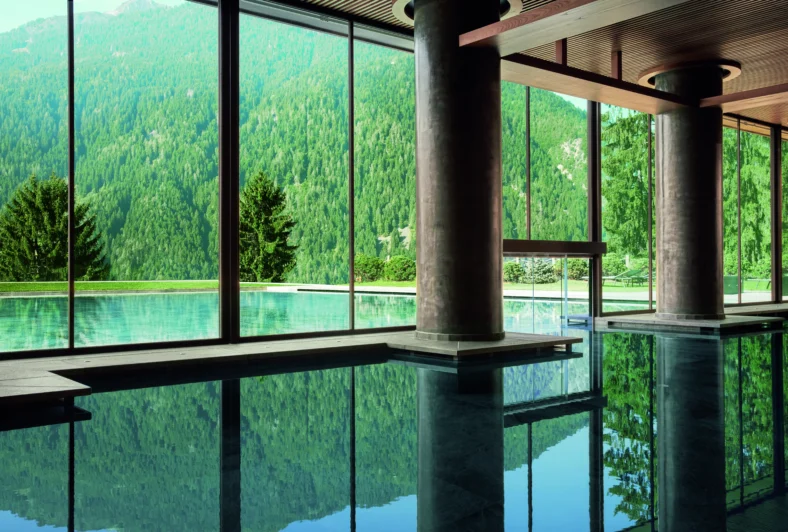
The hospitality giant has announced a joint venture with Lefay, a luxury Italian resort brand behind two properties in Lago di Garda and the Dolomites, known for its Lefay SPA Method and eco-conscious resorts set within natural landscapes.
The deal makes Lefay the first brand in Marriott’s portfolio dedicated exclusively to luxury wellness, setting the stage for international expansion.
“Luxury is increasingly defined by well-being, purpose and meaningful experiences,” Marriott International president and CEO Anthony Capuano said. “We are excited to introduce Lefay to our customers around the world and thoughtfully expand Marriott’s presence in the luxury wellness space.”
Lefay also has three properties under development in Tuscany, Southern Italy and the Swiss Alps. Under the joint venture, the real estate assets will remain with the brand’s founders, Domenico Alcide and Liliana Leali.
Tina Edmundson, Marriott International’s president of luxury, said the deal speaks to a growing segment of travelers prioritizing health and longevity in how they plan trips.
“As guest expectations continue to evolve, our collaboration with Lefay will allow us to thoughtfully extend our luxury offerings into a space where well-being is not just an amenity, but the heart of the travel experience,” she said.
The move comes as new data from the Global Wellness Institute (GWI) puts the U.S. wellness economy at $2.1 trillion, and the hospitality industry is expected to keep pace.
The High-Performance Guest
As Barak Hirschowitz, president of the International Luxury Hotel Association (ILHA), told Athletech News earlier this month, the guest has evolved, but the hotel industry, by and large, has not.
He points to the post-COVID era as the inflection point, noting that the pandemic sparked a “global wellness awakening” that has permanently raised the bar for what travelers expect — and it goes well beyond the spa.
“We are no longer catering to guests who just want to stay healthy; we are catering to guests who are high-performance,” he said. “They belong to premium fitness clubs, they take multiple classes a week, they train for marathons, and they are deep into longevity practices like saunas and red-light therapy.”
But when it comes to vacations, health-conscious consumers often find lackluster experiences at their hotels and resorts, such as small and poorly equipped gyms.
“The challenge is that we are fundamentally a real estate industry,” Hirschowitz said. “A high-quality gym is no longer just an amenity; it’s a core expectation — just like high-speed Wi-Fi or a comfortable bed.”
The ILHA isn’t waiting around, either. It’s partnered with equipment brands Matrix and Life Fitness, adding on-demand fitness classes, and is exploring hybrid and off-property solutions.
