



‘This is our ability to give you financial freedom,’ Gov. Ron DeSantis has said.
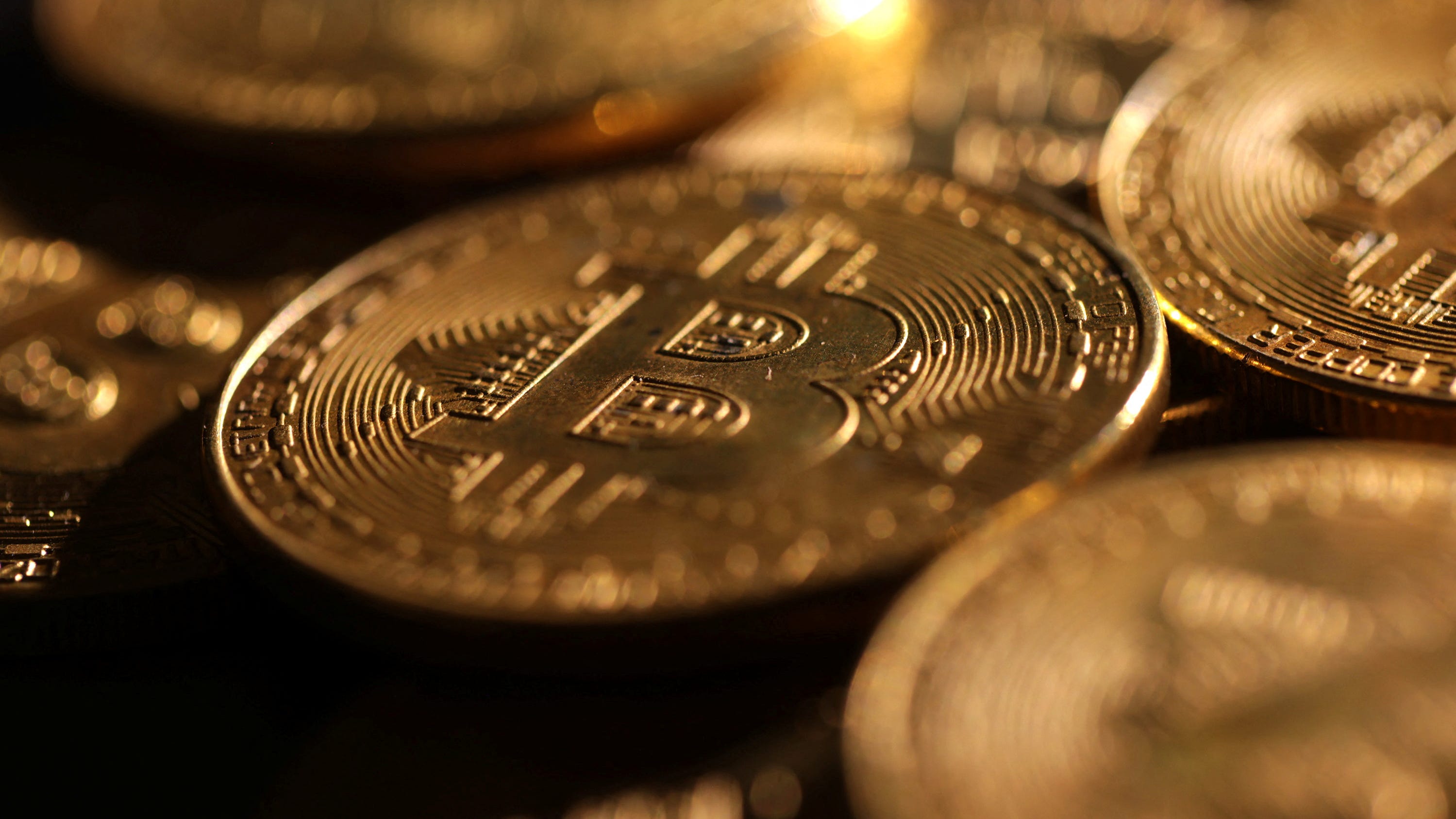

What does the future of the cryptocurrency market look like under Trump 2.0?
The president-elect promised to make America the “crypto capital of the planet.”
A new Florida law taking effect in July 2026 will allow businesses to accept gold and silver coins as legal tender.Gov. Ron DeSantis supports the measure as a way to provide economic liberty and protect against inflation.The law does not require businesses to accept precious metals, and it is unclear how many will adopt the practice.
Cashiers in Florida could soon drop “cash or card?” for “gold, silver, cash or crypto?”
A new law passed earlier this year and set to take effect July 1, 2026 allows businesses to accept silver and gold coins as legal tender.
For Gov. Ron DeSantis, who signed the bill (HB 999) into law in May, the move doesn’t just give consumers more options at the checkout line, it provides economic liberty and shields them from the harm of inflation.
“This is our ability to give you the financial freedom to be able to protect yourself against the declining value of the dollar,” DeSantis said when he signed the bill. “It’s not just an investment. It’s something you’re going to be able to use and it’s something that is very likely to hold its value, certainly compared to fiat currency.”
But the law doesn’t require retailers to accept the coins and it’s unclear how many will take them.
Gold and silver, though, have grown popular among investors amid the recent years of high inflation.
At the same time, cryptocurrencies are gaining in popularity, too, leaving the question open whether Florida’s 21st century economy can accommodate 19th century specie and digital money? And where does old fashioned cash fit in?
Precious metals
The price of gold and silver has risen sharply this year. Gold soared 53% from about $2,600 per ounce at the start of 2025 to about $4,100 per ounce now. Silver rose from about $30 per ounce at the start of the year to about $50 per ounce now.
Within the last two months DeSantis has noted the stark increase in value of gold, citing it as an “indictment of the (Federal Reserve)” in an Oct. 15 post on X. On Oct. 22, the hike in the gold price was “a reaction to the debasement of the currency.”
Aside from value as an investment, DeSantis has tied gold to economic freedom.
“Florida stands firmly for freedom, economic self-determination, and resistance to government overreach,” DeSantis posted on X when he signed HB 999. “But for too long, outdated regulations and unnecessary sales taxes have made it impractical for Floridians to enter the gold and silver market.”
He was referring to another bill (HB 7031) with several different tax cuts passed by lawmakers, that included a provision removing the $500 threshold for purchases of gold and silver to be exempt from sales tax. The measure is expected to save buyers $2.2 million per year.
Cryptocurrency
Like gold, DeSantis has supported the use of cryptocurrencies by the state, but lawmakers haven’t always backed his push and have struggled to enact regulations to protect consumers.
In 2022 the Legislature passed a bill (HB 273) that brought some groups buying and selling cryptocurrencies under the state’s regulations for money services businesses.
As cryptocurrencies have grown more popular, however, “virtual currency kiosks” – basically automated teller machines for digital currencies – have popped up around the state. The kiosks allow users to buy cryptocurrencies and sell them to receive cash.
Bills to impose new regulations on the kiosks were filed earlier this year but failed to pass. Legislation for the 2026 session, which starts Jan. 13, have been filed again (SB 198/HB 505).
According to a staff analysis of the bills from earlier this year, there are 32 operators of 2,972 kiosks in Florida, and federal law enforcement officials have received consumer complaints of losses of $33 million from 1,739 victims due to scams since 2020. The Florida Office of Financial Regulation has opened 75 investigations over $1.8 million in losses from the kiosks.
Cash
Long before the onset of cryptocurrencies or the retro clamor for gold, businesses became reliant on cards to receive payments. Consumers swiping, tapping or inserting their debit or credit cards is so common many companies don’t accept cash.
Two years ago, Sen. Shevrin Jones, D-Miami Gardens, filed a bill to require businesses to accept payments.
At the time, Jones said he was concerned lower-income families, which make a greater portion of their purchases in cash, were being shut out of vast swathes of the economy.
The bill included exceptions for payments made on the internet or over the phone, payments of more than $5,000, and continuous service agreements. Businesses could also refuse to accept bills higher than $20.
Although it advanced in the Senate, the House version never progressed.
Gray Rohrer is a reporter with the USA TODAY Network-Florida Capital Bureau. He can be reached at grohrer@gannett.com. Follow him on X: @GrayRohrer.
