


Zwift’s acquisition of Rouvy signals a strategic shift in the indoor cycling market, as platforms move beyond competing on a single experience model and look to capture a wider spectrum of users.
At a high level, Zwift and Rouvy have historically occupied different ends of the category. Zwift has captured market share with gamification, building a large global community around immersive, multiplayer environments that emphasize competition, social interaction and structured training. Rouvy, by contrast, has carved out a following with realism, offering video-based routes that replicate outdoor riding conditions and appeal to cyclists training for real-world events.
“This is a major moment for both Zwift and Rouvy”, says Eric Min, Zwift co-founder and CEO. “We have a huge amount of respect for what Rouvy has achieved, developing a fantastic product and growing their global community by demonstrating there is a strong market for real video experiences. Rouvy’s differentiated experience is proof we can be stronger together, and I’m excited to see how this deal will accelerate our mission to make more people, more active, more often.”
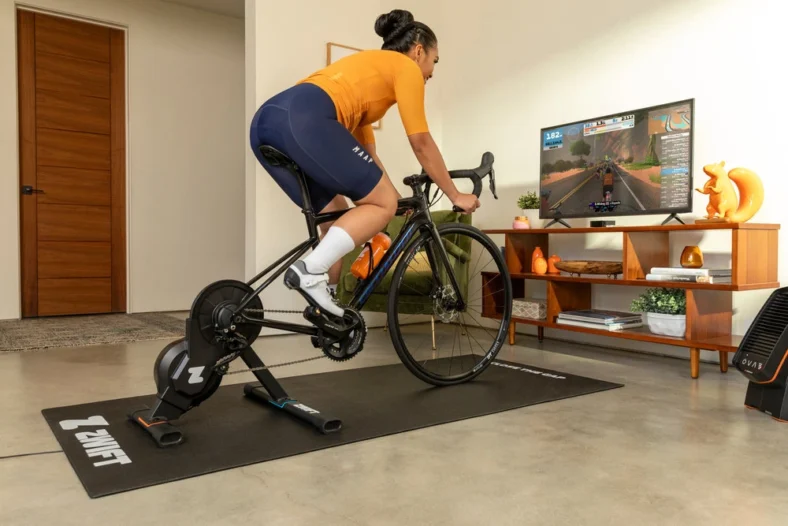
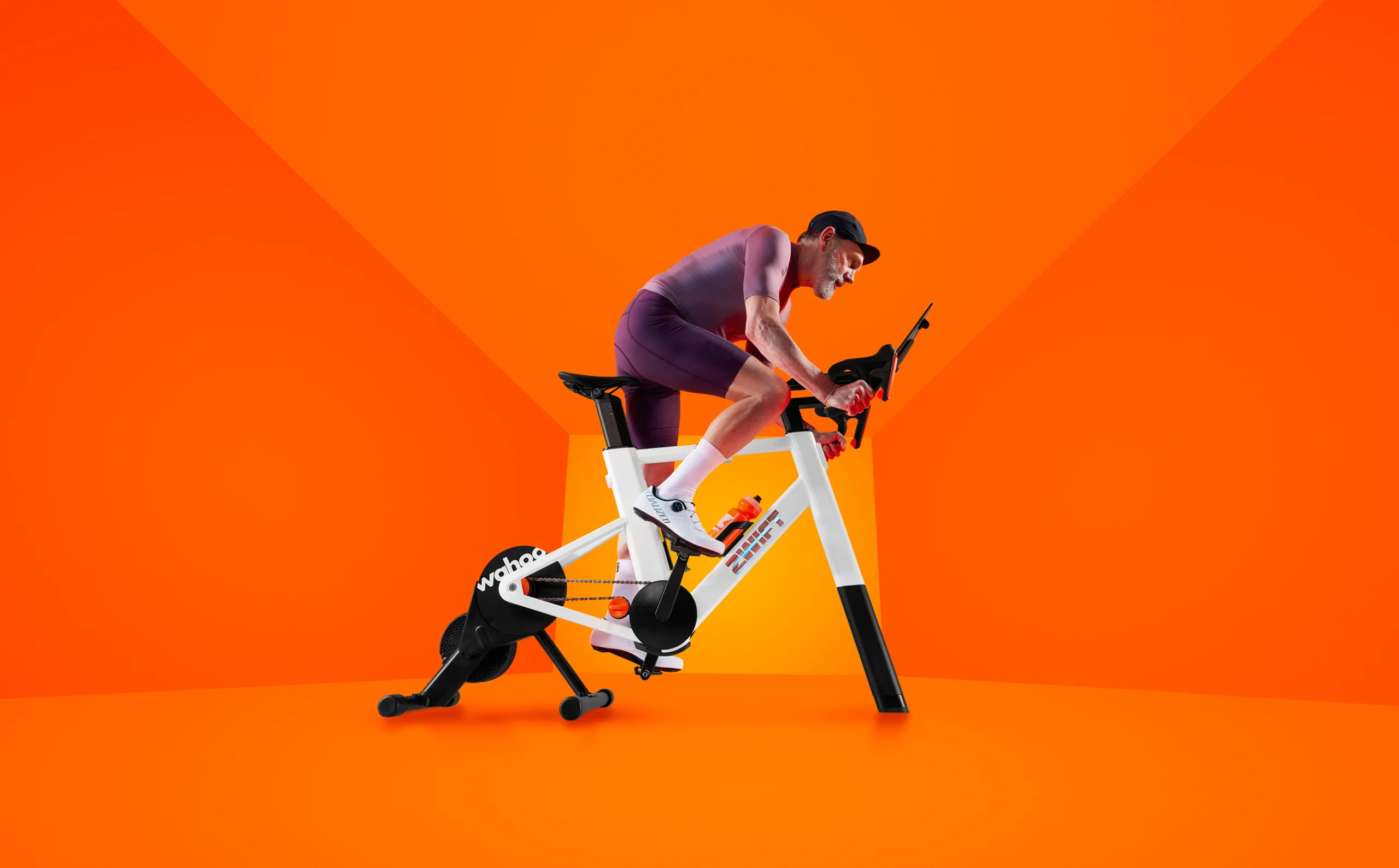
Zwift’s scale has been supported by continued investment in hardware compatibility and a broader ecosystem that lowers the barrier to entry, including its Zwift Ready trainers and proprietary smart frames. At the same time, its social layer remains a key differentiator, allowing users to ride with friends, join group events and participate in races across immersive environments like its flagship virtual world Watopia, driving engagement and retention over time.
Rouvy, while smaller, has built credibility within a more performance-oriented segment. Its partnerships with organizations like Ironman and professional cycling teams have positioned it as a tool for serious training, particularly for athletes who want to replicate race-day conditions indoors.
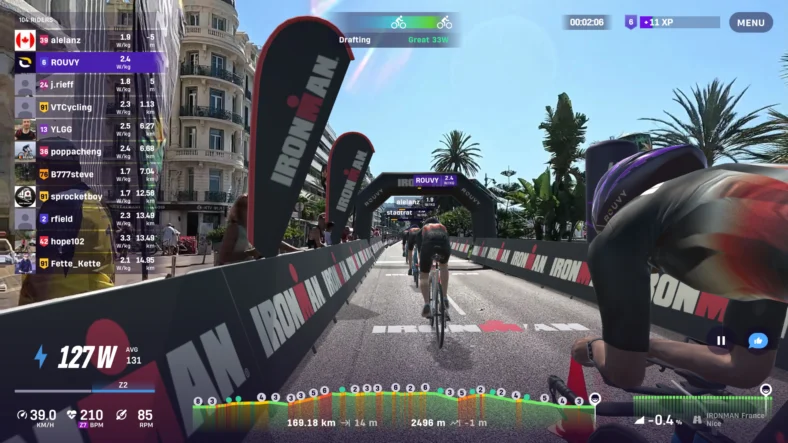
Zwift confirmed that its smart trainers and frames will now work with Rouvy, lowering friction for users to move between platforms and increasing the overall value of its hardware offering.
“This is an exciting time for our industry and for cyclists worldwide. Over the past year, we have seen the indoor cycling market grow at the fastest rate since COVID”, said Min. “We’re seeing our audience widen, and we are now seeing more people come to cycling for the first time through indoor training, seeking an activity that supports their active lifestyle and focus on long-term health.”
