


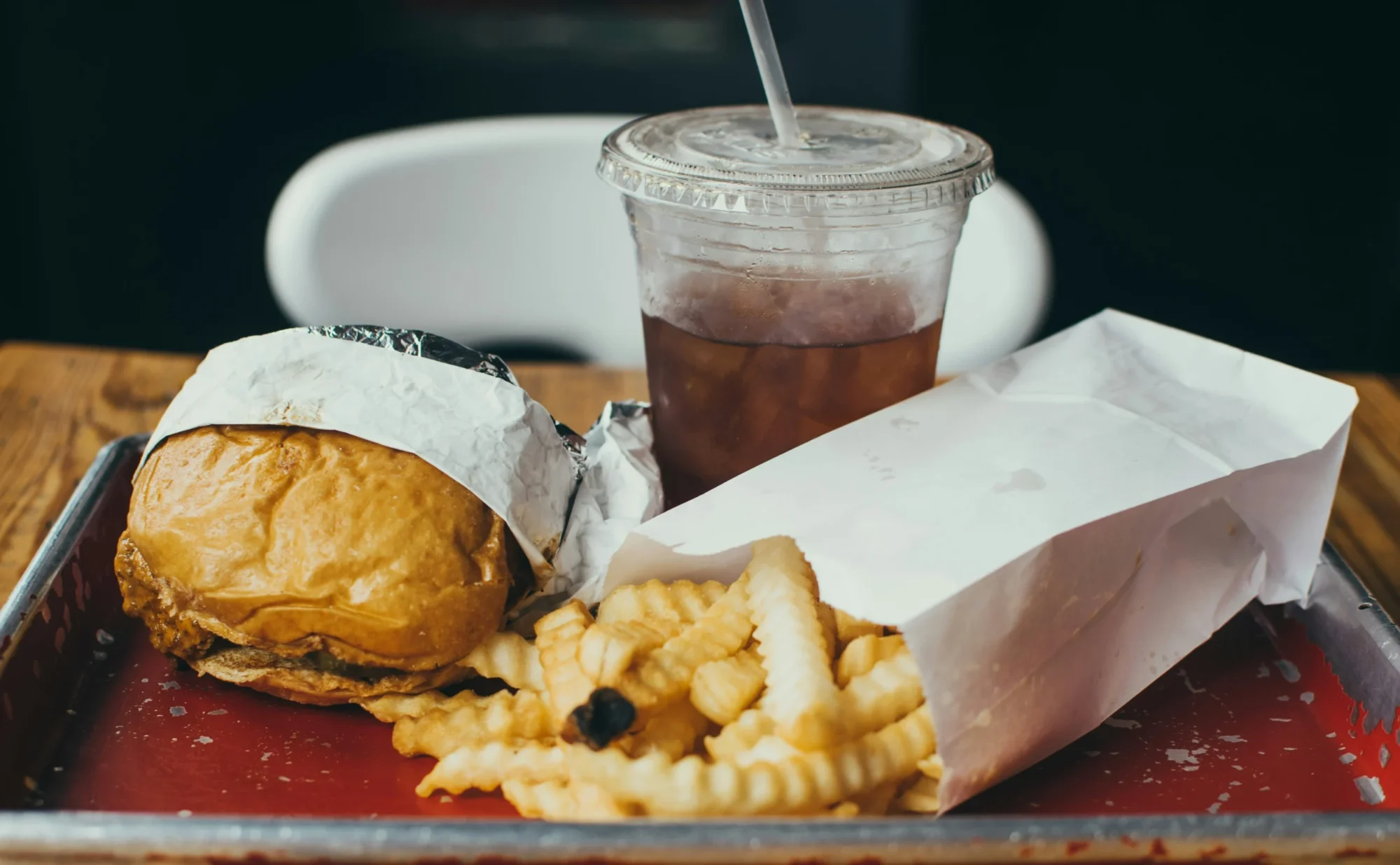
Fast food, soda, pizza, candy, chips, ice cream, processed meats — Americans admit they can’t quit ultra-processed foods (UPFs), but they’re no longer blaming themselves.
Nine in ten believe such food products are engineered to keep them hooked, and nearly half want them regulated like tobacco and alcohol.
That’s according to a new survey from health app Lifesum, which polled what it described as a representative sample of 2,000 U.S. adults on their ultra-processed food habits and attitudes toward regulation.
It’s happening in a country where some progress is being made, albeit slowly, as more adults explore weight-loss medications. But at the same time, childhood obesity has reached its highest rate ever recorded, according to Harvard T.H. Chan School of Public Health’s David Ludwig, even as youth-focused fitness and sports programs continue to expand.
The behavioral data tells a story of frustration. Lifesum found 84% of respondents have felt unable to stop eating certain UPFs once they start, 69% report trying (and failing) to cut back and 82% say they feel regret or frustration after eating them.
“This research shows people no longer see ultra-processed foods as simply a matter of willpower, but as part of a broader system shaping appetite and behavior,” Lifesum co-founder Marcus Gners said.
The health consequences are hard to ignore. Obesity, type 2 diabetes and cardiovascular disease are among the well-documented consequences of a high-UPF diet. Along with 49% supporting regulation similar to tobacco or alcohol, 83% back clearer warning labels and 61% support restrictions on marketing, Lifesum found.
The ripple effects are already reaching food manufacturers and quick-serve establishments catering to increasingly health-conscious and protein-focused consumers.
The opportunity isn’t lost on ingredient suppliers, either.
Tate & Lyle, a global ingredient supplier, found that GLP-1 users follow a recognizable pattern of changed eating behaviors, favoring smaller, nutrient-dense portions and comforting textures over volume. The company noted that brands can help current weight loss medication users with nutrient-dense options that offer a sense of permissible indulgence and former GLP-1 users with satiety-enhancing formulations.
What regulatory action, if any, looks like remains to be seen. But investment energy in the food space suggests the industry is already responding to shifting consumer preferences.
Stellar Snacks, a better-for-you pretzel brand, announced a minority growth investment from consumer-focused private equity firm Main Post Partners in a deal that will expand distribution across major retailers, including Costco, Target and Kroger. Meanwhile, Rap Snacks founder James Lindsay has launched Do the Right Thing, a new line of vegetable-based chips cooked in avocado oil.
Legacy players are making similar moves.
Last year, Hershey entered a deal to acquire organic popcorn brand LesserEvil for a reported $750 million, joining Coca-Cola, PepsiCo and Keurig Dr Pepper in a broader push into better-for-you snacking and healthier beverages.
