


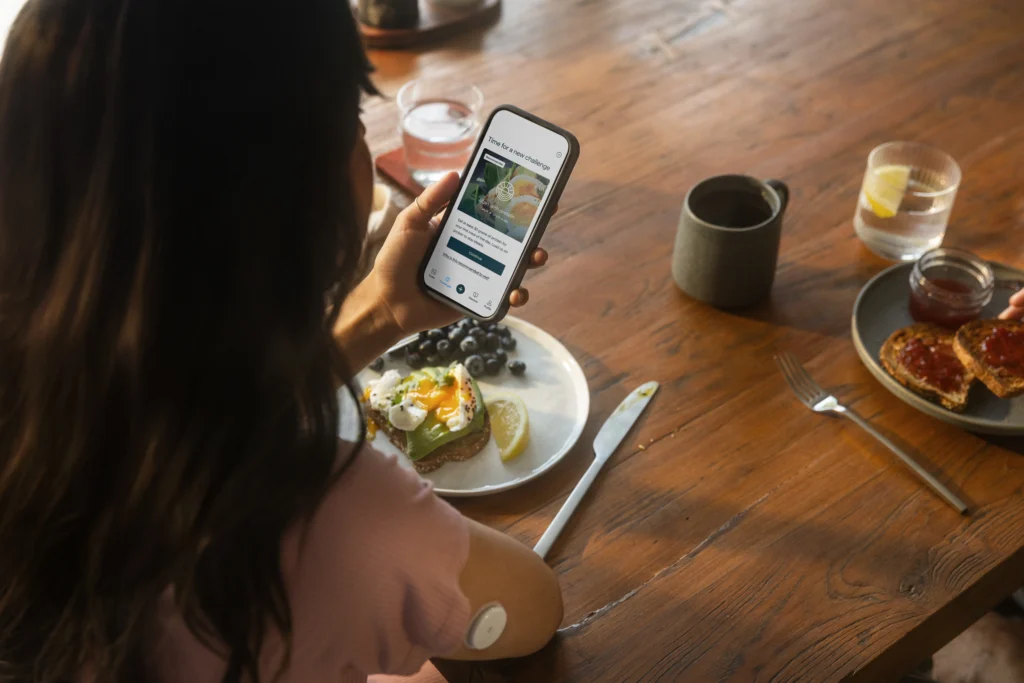
CGMs are moving into the wellness mainstream. ATN tested Abbott’s Lingo device to see what it actually reveals about food, fitness and everyday habits
All products featured on Athletech News are independently selected by our editors. However, when you buy something through our retail links, we may earn an affiliate commission.
Continuous glucose monitors (CGMs) have become increasingly popular among people who don’t have diabetes but want a clearer picture of how their meals, workouts and everyday habits influence their energy and overall metabolic stability.
Abbott Lingo is a sensor you can buy without a prescription, and the concept is simple: wear it for a few weeks and start understanding how your body responds to food, stress, sleep and exercise in real time. I don’t have diabetes, but I wanted to see what a CGM could teach me about my own routine, so I put Lingo to the test.
Getting Started
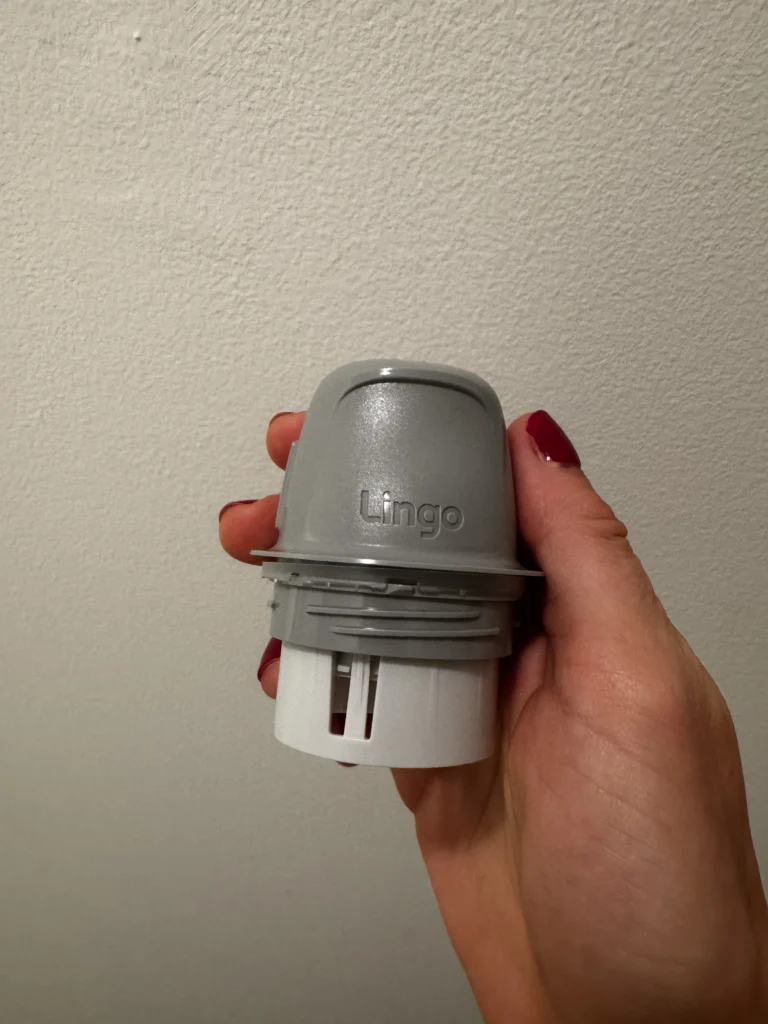
I was a little nervous about inserting the sensor at first. The device arrives in a premium-looking box, but the applicator and sensor inside are much smaller than you’d expect. Applying it is a one-click process: you load the sensor, place the applicator on the back of your arm and press. The needle is tiny and you barely feel it; it’s more like stamping your arm. My arm felt slightly sore for a day or two, but after that, I didn’t notice it at all.
The sensor is meant to stay on for about two weeks and is water-resistant, so I wore it through workouts, showers, errands and everything in between. One thing to keep in mind is that the adhesive is minimal and Lingo doesn’t include an overlay patch. If you sweat a lot, lift weights, or have pets or kids tugging at you, you may want an extra adhesive layer to keep it secure.
Decoding Glucose in Real Time
Once I paired the sensor with the app, my glucose began tracking continuously. Lingo considers a healthy glucose range to be about 70 to 140 mg/dL. Fasting dips into the 50s can happen, and spikes into the 150s after meals are normal too. What’s interesting is watching those shifts line up with what you’re actually eating and doing throughout the day.
This is where Lingo became helpful: meals like grain bowls or restaurant salads caused sharper spikes than I expected. One salad sent my glucose up so quickly that it was obvious the dressing was packed with sugar. Meanwhile, foods I had always believed would be “spike-heavy,” like bananas, barely moved my glucose at all. Friends who were also testing CGMs had completely different reactions to the same foods, which underscored how individual glucose responses really are.
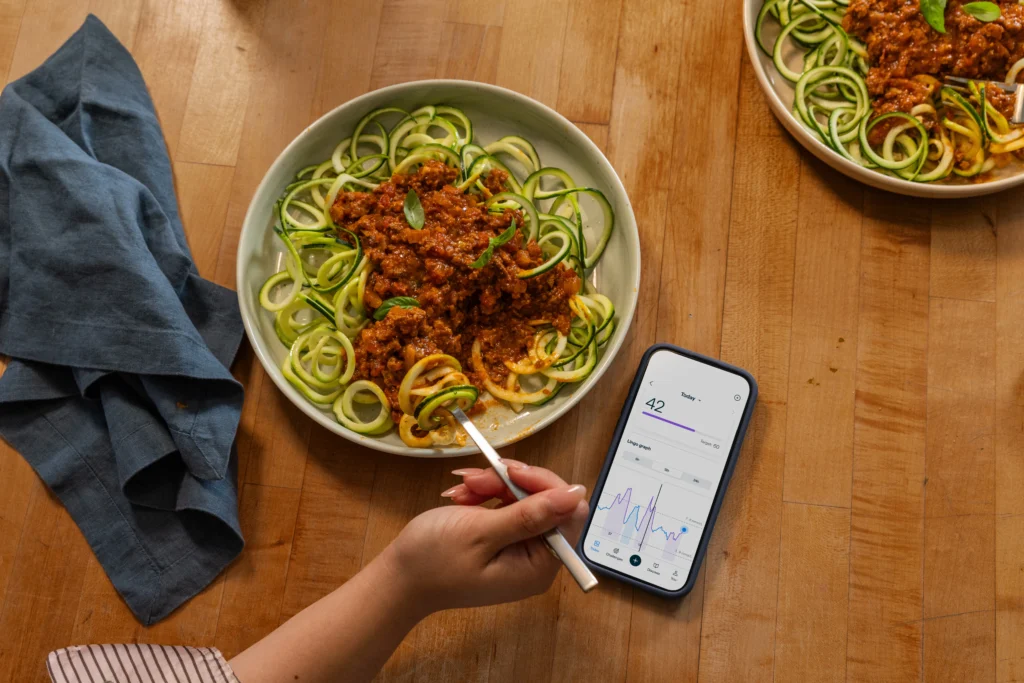
Lingo translates these rises into a daily Lingo Count, its own metric for how much metabolic strain you experienced that day. A lower number reflects steadier glucose patterns, and a higher number means more volatility. It adds a light gamification element that makes checking your data feel more like tracking progress and less like analyzing charts.
The App
Lingo’s app is clean, visual and intuitive. The home screen shows a continuous graph of your glucose, and the spikes appear clearly. Instead of overwhelming you with numbers, the app uses simple visuals and gives you the option to log meals, workouts and stressful moments when a spike appears. Over time, the more you log, the more specific and personalized the insights become. The app highlights things like reactive hypoglycemia, the way poor sleep makes your glucose more erratic the next day, and how certain food combinations keep your levels stable. It also includes challenges and small nudges that keep you engaged.
Unlike Abbott’s medical-grade CGMs, Lingo does not include alarms for high or low glucose. You have to open the app to check your levels, which keeps it firmly in the wellness category rather than the medical one.

Accuracy & Wearability
The sensor itself is slightly bulkier than some of the newer CGMs on the market. Still, for the most part, I forgot it was on, even during long runs, hot yoga classes and strength sessions, but sleeping on the arm where it was placed could feel uncomfortable. Occasionally, its Bluetooth connection would drop, and I’d have to reset it, but the data always caught up.
What I Learned
Using Lingo showed me patterns I wasn’t aware of and confirmed a few habits I already suspected were influencing my energy. Balanced meals like oatmeal with nut butter or protein-rich bowls kept my glucose steady. Sleep played a bigger role than I expected. On days after a poor night of sleep or after particularly heavy training, my glucose curve was far more reactive, even if my meals looked the same. Stress could also cause noticeable spikes.
Seeing these patterns visually helped me connect what I was feeling with what was actually happening internally. I understood why some afternoons felt sluggish while others felt stable. I also realized which foods were worth keeping in my routine and which ones were better as occasional choices.
Cost & Accessibility
Lingo starts at 49 dollars per sensor, which makes it one of the more accessible ways to try a CGM. The subscription for the app is the part that adds up, usually between 20 and 25 dollars a week, depending on the plan. The product is HSA and FSA-eligible, and ordering it online is fast and easy.
Final Thoughts
After using Lingo, I understand why CGMs have become part of the larger longevity and performance conversation. Most non-diabetics would likely find wearing Lingo most impactful for a few weeks or a month to get a much clearer sense of patterns and how their habits show up in their metabolism. Whether you want to improve your energy throughout the day, understand how certain meals affect you or get a better sense of how your stress and sleep influence your body, CGMs offer clarity that feels actionable.
