


The SEC Crypto Task Force (CTF) is hosting a five-part roundtable series on digital assets, decentralized finance (DeFi), and the evolving role of AI in these industries. While the initiative may appear procedural, it signals a subtle but important shift: the SEC may finally be open to more transparent engagement, rather than relying almost exclusively on enforcement.
From Enforcement to Engagement?
For over a decade, U.S. digital asset regulation has been driven primarily through enforcement actions. The SEC has consistently asserted that most tokens fall under its jurisdiction as securities—but has done so mostly through enforcement, not formal rulemaking. This approach has created legal uncertainty, market fragmentation, and increasing frustration among innovators and investors alike.
Meanwhile, other jurisdictions—such as the EU and Hong Kong—have introduced comprehensive regulatory frameworks for crypto. The EU’s Markets in Crypto-Assets Regulation (MiCA) and Hong Kong’s Virtual Asset Trading Platforms (VASP) regime provide relatively clear rules, even if not everyone agrees with their substance. Against that backdrop, the U.S. has begun to look like a laggard, regulating via subpoenas and no-action letters rather than well-defined rules. The SEC’s roundtable series appears to acknowledge that status quo may not be sustainable.
What the Roundtables Cover
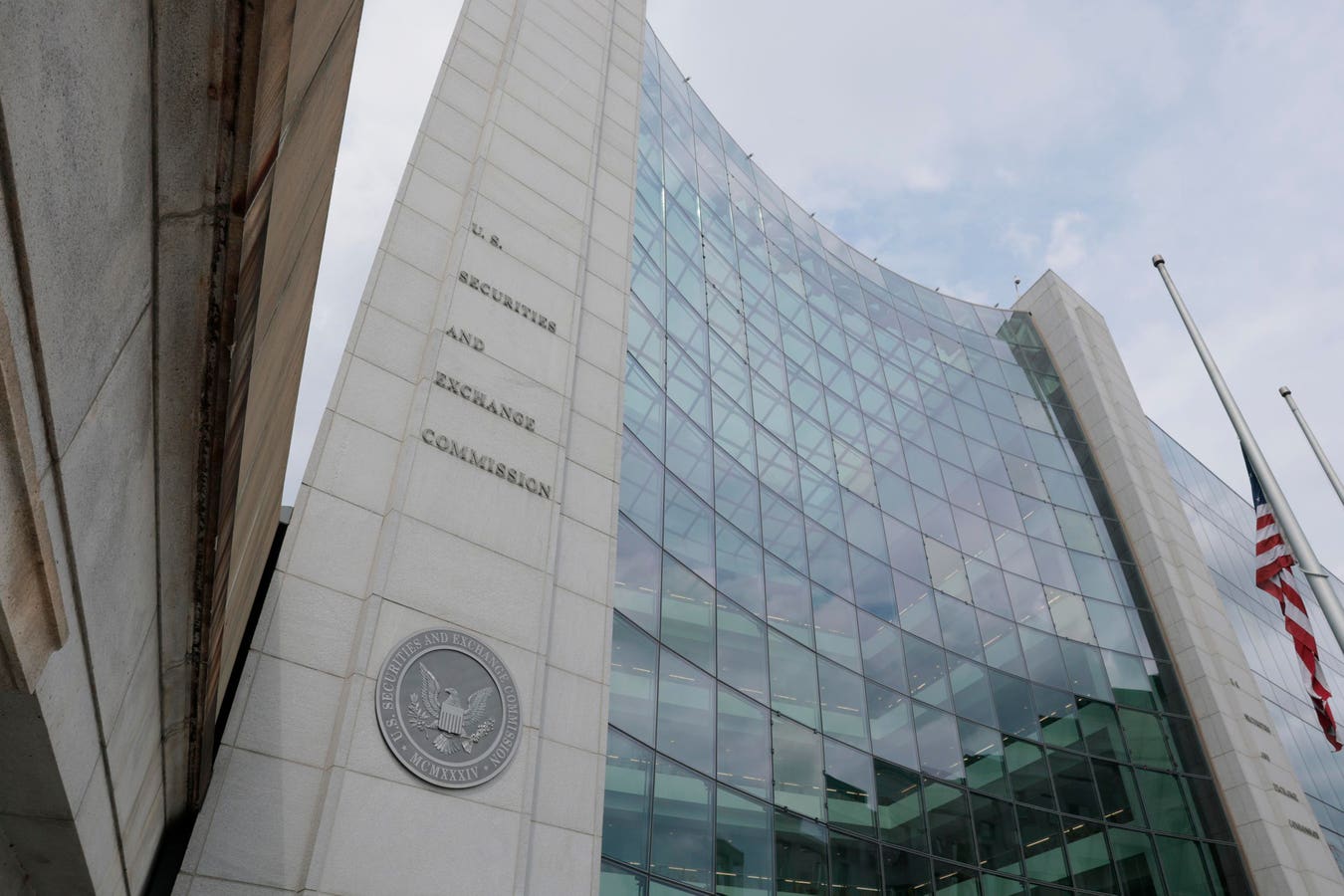
WASHINGTON, DC – APRIL 25: The Securities and Exchange Commission headquarters is seen on April 25, … More
Getty Images
Led by Commissioner Hester Peirce, the CTF’s mission is to “help the Commission draw clear regulatory lines, provide realistic paths to registration, craft sensible disclosure frameworks, and deploy enforcement resources judiciously.” So far, the sessions have examined topics including securities classifications for digital assets, broker-dealer registration for crypto platforms, crypto custody, tokenization and DeFi.
The format of the roundtables—public, agenda-driven, and inclusive of industry, academic, and regulatory voices—does represent a marked shift in tone. Historically, the crypto projects have received little practical guidance for novel technologies that don’t fit into the traditional securities framework.
That point came into sharp focus during the April 11 session, which asked whether crypto trading platforms—especially decentralized ones—can realistically comply with existing rules without fundamentally altering their structure. If regulation continues to demand conformity to outdated models, industry participants argue it could stifle innovation or drive platforms offshore.
Participants in the CTF Roundtables noted more listening and a willingness from the SEC to engage on operational complexity—something that has been lacking in previous years.
Global Pressure and Technological Complexity
Adding to the urgency is the global regulatory landscape. Clearer frameworks abroad are drawing talent, capital, and innovation away from the U.S., while increasing pressure on domestic regulators to catch up.
Meanwhile, digital assets are becoming more intertwined with AI infrastructure. AI is being used to automate governance, monitor compliance, and power data analysis across decentralized systems. This convergence creates new layers of risk and complexity that the SEC has not yet meaningfully addressed. Adapting rules for blockchain has been challenging enough—adding AI into the mix will demand even more sophistication.
The Value of the Roundtables
While these roundtables won’t themselves resolve the key legal questions facing the crypto industry, they do serve a critical function: they publicly acknowledge the need for regulatory nuance and invite industry feedback on how to craft smarter frameworks. They offer the SEC a platform to hear directly from builders and operators—not just litigants—and allow for more open discussion of the friction between innovation and compliance.
What Comes Next
The next roundtable, set for June, will focus on DeFi and the American spirit—a topic that has attracted interest from both DeFi pioneers and traditional finance (TradFi) institutions.
For industry participants, the roundtables offer more than just lip service. They may be the first step toward a regulatory environment that is more predictable, more transparent, and more compatible with the technologies shaping the future of finance.
