Close Menu
  • Home
  • AI & Technology
  • Politics
  • Business
  • Cryptocurrency
  • Sports
  • Finance
  • Fitness
  • Gadgets
  • World
  • Marketing

Subscribe to Updates

Subscribe to our newsletter and never miss our latest news

Subscribe my Newsletter for New Posts & tips Let's stay updated!

What's Hot

3 FBI agents fired after investigating Trump sue for their jobs back

March 31, 2026

NVIDIA’s DLSS 4.5 Multi Frame Generation tech is now available to boost your Hz

March 31, 2026

Jimini Health Raises $17M For AI Mental Health Platform

March 31, 2026
Facebook X (Twitter) Instagram
  • Home
  • About US
  • Advertise
  • Contact US
  • DMCA
  • Privacy Policy
  • Terms & Conditions
Facebook X (Twitter) Instagram
MNK NewsMNK News
  • Home
  • AI & Technology
  • Politics
  • Business
  • Cryptocurrency
  • Sports
  • Finance
  • Fitness
  • Gadgets
  • World
  • Marketing
MNK NewsMNK News
Home » Chinese tricksters take cue from Squid Game to prey on the indebted
Finance

Chinese tricksters take cue from Squid Game to prey on the indebted

MNK NewsBy MNK NewsDecember 25, 2024No Comments3 Mins Read
Facebook Twitter Pinterest LinkedIn Tumblr Email
Share
Facebook Twitter LinkedIn Pinterest Email


By Ryan Woo, Ethan Wang and yukun zhang

BEIJING (Reuters) – In China’s take on Squid Game, fraudsters are preying on the financially distressed in a slumping economy with promises of prize money, debt restructuring and other schemes that are not always what is promised.

Unlike the dystopian South Korean TV series, which returns to the small screen for a second season on Thursday, Chinese players taking on “self-discipline” challenges do not risk their lives if they lose.

But courts have found some participants in isolation challenges – who pay hundreds of dollars to stay in a room for days, following prescribed rules in the hopes of winning as much as 1 million yuan ($140,000) – are being scammed. And regulators are warning people about dodgy debt relief claims.

Isolation challenges, often advertised on Douyin, as TikTok is known in China, have risen in popularity this year as the world’s second-biggest economy slows. It grew at the weakest pace in more than a year in the three months to September, spurring policymakers to pledge fresh measures to boost household incomes among other steps.

The long lists of rules in the challenges include toilet breaks not exceeding 15 minutes and bans on touching the alarm clock more than twice a day.

Many players cry foul when they do not survive their first day for infractions caught on surveillance cameras, which they dispute.

In October, a court in the eastern province of Shandong ordered an organiser to refund 5,400 yuan ($740) in sign-up fees to a player surnamed Sun, ruling the contract was unfair and “violated public order and good morals”.

Sun was trying to win 250,000 yuan by surviving a 30-day isolation challenge with rules forbidding smoking, use of electronic devices, consumption of alcohol and contact with anyone outside the room.

On the third day of the challenge, organisers said Sun had covered his face with a pillow, breaking a prohibition on players obscuring their faces.

The Cyberspace Administration of China, which regulates the country’s internet, and ByteDance, owner of Douyin, did not respond to Reuters requests for comment.

The National Financial Regulatory Administration (NFRA) warned the public on Tuesday not to fall for “debt intermediaries” claiming to help people restructure their borrowings or improve their credit profiles.

Touting their services through phone, texts, flyers and ads on social media, such intermediaries claim they can help secure new loans or provide temporary funds, but the regulator warned the services come with a high fee.

Intermediaries charge as much as 12% of the loan value in “service fees”, the state-backed National Business Daily said.

Another scheme involves charging large fees to ostensibly help debtors repair their credit records, according to the NFRA, which cautioned that borrowers’ personal information might also be leaked or sold.

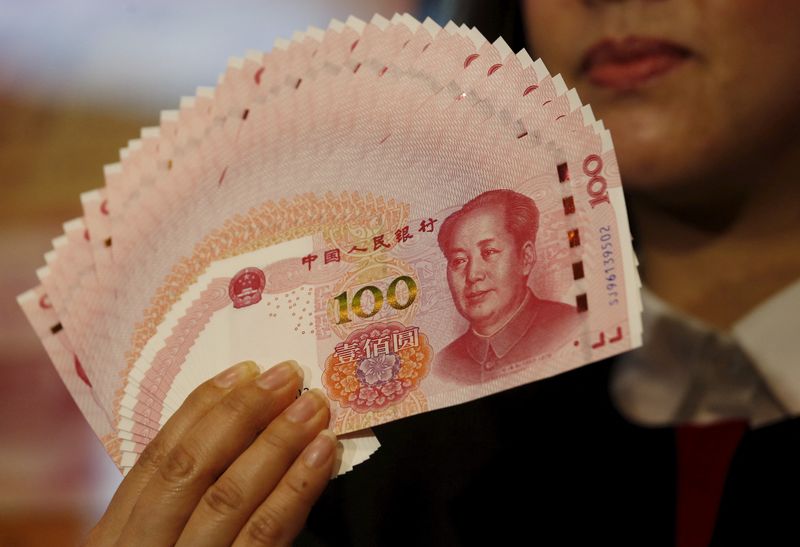
China’s household loans totalled 82.47 trillion yuan ($11.3 trillion) in November, according to central bank data.

($1 = 7.2988 Chinese yuan renminbi)

(Reporting by Ryan Woo, Ethan Wang and Yukun Zhang; Editing by William Mallard)


Source link

Share. Facebook Twitter Pinterest LinkedIn Tumblr Email
MNK News
  • Website

Related Posts

Rite Aid files for bankruptcy — again

May 6, 2025

How to Track Driver Performance Without Micromanaging

May 6, 2025

Ford says its Q1 profit fell by two-thirds and it expects a $1.5 billion hit from tariffs this year

May 6, 2025
Add A Comment
Leave A Reply Cancel Reply

Editors Picks

Fakhar Zaman suspended for two PSL matches for ball-tampering

March 31, 2026

Raza admits hosting visitors but cites lack of awareness of new PSL rules

March 30, 2026

Fast bowler Naseem Shah slapped with Rs20m fine after social media post about Punjab CM Maryam

March 30, 2026

Lahore Qalandars imposes Rs1 million fine on captain Shaheen Afridi over security protocol breach

March 30, 2026
Our Picks

Here Are The Main Levels To Watch After Dogecoin Price Completed A Clean Kumo Rejection

March 31, 2026

If Bitcoin Price Falls Below This Level, The Bear Market Will Worsen

March 31, 2026

Google Says End For Bitcoin Is Near? Quantum Computers Could Attack Crypto This Soon

March 31, 2026

Recent Posts

  • 3 FBI agents fired after investigating Trump sue for their jobs back
  • NVIDIA’s DLSS 4.5 Multi Frame Generation tech is now available to boost your Hz
  • Jimini Health Raises $17M For AI Mental Health Platform
  • Here Are The Main Levels To Watch After Dogecoin Price Completed A Clean Kumo Rejection
  • The Shark BlastBoss is a leaf blower that can be used indoors

Recent Comments

No comments to show.
MNK News
Facebook X (Twitter) Instagram Pinterest Vimeo YouTube
  • Home
  • About US
  • Advertise
  • Contact US
  • DMCA
  • Privacy Policy
  • Terms & Conditions
© 2026 mnknews. Designed by mnknews.

Type above and press Enter to search. Press Esc to cancel.