


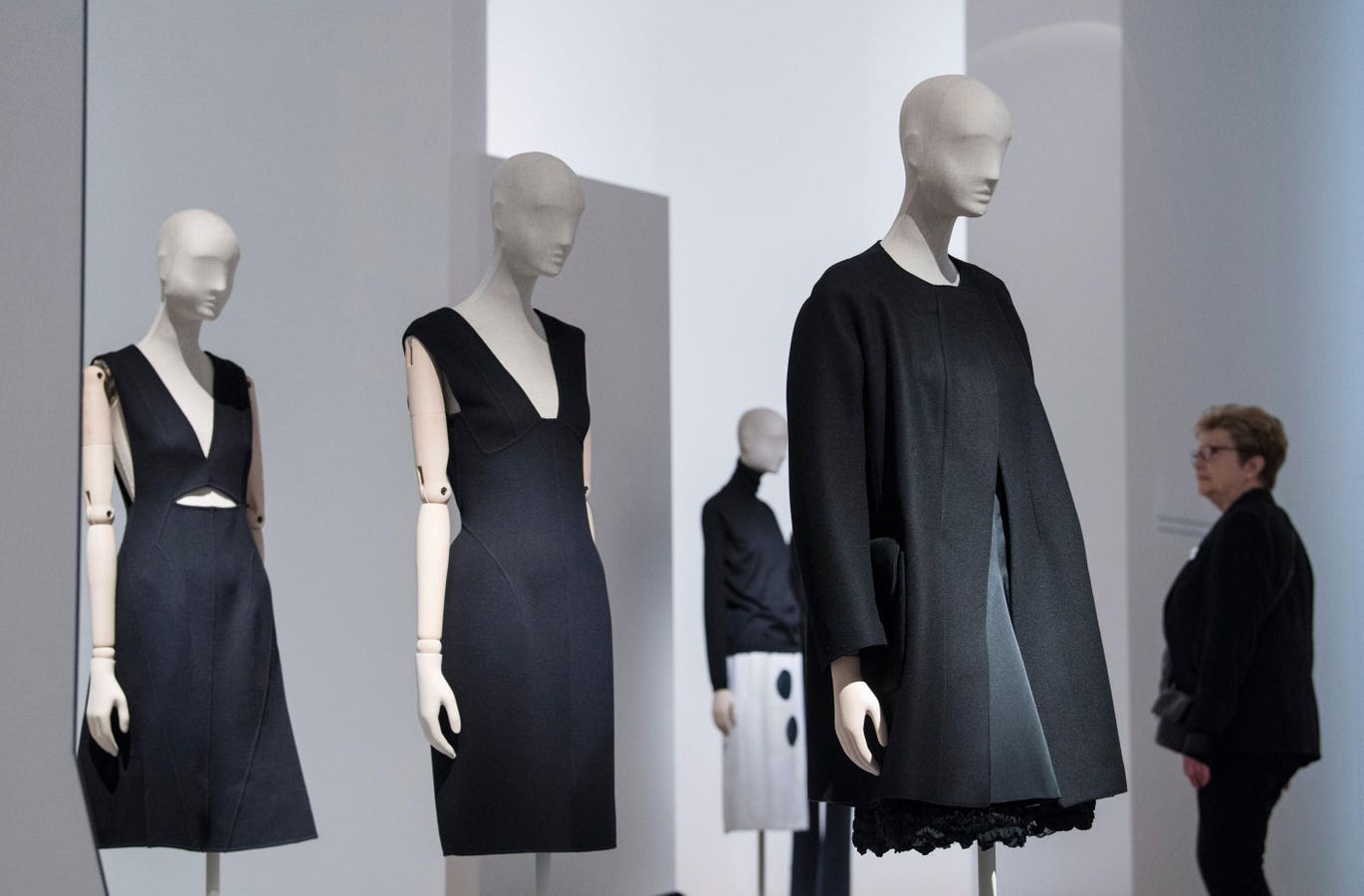
Basic silhouettes and muted colours now dominate feeds once filled with statement pieces and … More
As consumers tire of relentless micro-trends and the damage of fast fashion, a surprising aesthetic is quietly dominating social feeds in 2025: normcore. Normcore — the minimalist, “average person” style first coined a decade ago — has quietly staged a comeback in early 2025, fuelled by an unlikely alliance of TikTok fatigue, fashion burnout, and consumer frustration around endless trends. But beyond its muted palette and dad-jean appeal, this “non-trend” may actually hold real potential for sustainable fashion..
The shift is resonating with many. On TikTok, #normcore has over 140 million views as of March 2025 and users are increasingly embracing ‘non-aesthetic aesthetics’, like #blandwear and #defaultcore, where basic crewnecks, loose denim and unbranded outerwear are frequently featured.
Sales are following this sentiment too. According to Edited, a retail intelligence platform, sales of plain, neutral wardrobe staples rose 13% year-on-year in Q1 2025, with a notable increase in sell-through rates for basics categories like oversized blazers, white shirts, and wide-leg trousers.
Uniqlo, a perennial normcore favourite, has also seen an uptick in global store footfall and tapped quiet-styled tastemakers like Clare Waight Keller for critical roles. Meanwhile, COS and Arket continue to thrive under H&M Group’s repositioning strategy, aiming at what some analysts now refer to as “mid-tier minimalism.”
Luxury labels are following suit. The Row, long known for its elevated restraint, is gaining renewed attention from Gen Z consumers. Brands like Totême and Khaite are also experiencing demand for “luxury basics,” a category that’s grown steadily and much more quietly than overtly trend-driven items.
This isn’t just about looks though — it may be a sign of deeper shifts in consumer psychology. After years of fast fashion dominance, viral hauls, and consumption acceleration on social media, normcore reflects a desire for slowness, function, and practicality. And in that, it aligns with something even more powerful: the logic of sustainable fashion.
The grey sweatshirt is a normcore staple.
Normcore as a Sustainability-Enabler
While the original normcore movement emerged as ironic rebellion, its 2025 incarnation feels less like a joke and more like a rejection. Normcore is about opting out of novelty. That makes it unusually compatible with sustainability — not because it explicitly markets itself as such, but because its very design counters disposability.
First, normcore relies on timeless, seasonless staples. These aren’t clothes that expire with an algorithm update. A well-fitting white t-shirt, straight-leg jeans, or a neutral puffer which can be worn year after year — in direct opposition to the churn that drives so much of fashion’s environmental footprint.
Second, normcore pieces are widely available in secondhand markets. Unlike hyper-specific trends (like Y2K or mob wife), normcore isn’t built on one-off, aestheticised items. Its regularity makes it thriftable, and to a broad audience, which aligns with circular fashion goals.
Third, it normalises outfit repetition. Instead of showcasing constant reinvention and ‘newness’, normcore encourages wardrobe stability — the same black trousers in different combinations, the same sneakers across seasons. It flips the script on fashion’s traditional appeal to change.
All of this matters because the fashion industry is facing a reckoning. According to the UN, fashion accounts for up to 10% of global carbon emissions, more than international flights and shipping combined. And while brands tout capsule collections and recycled fabrics, critics argue that true sustainability requires a deeper behaviour shift — from brands and consumers.
Normcore, in its quiet way, may be modelling that shift. Not through slogans or greenwashed messaging, but by raising the aspirational appeal of “less is more”. Even digital creators are catching on. On YouTube and TikTok, creators are gaining views by advocating “non-haul hauls” — shopping their own closets or styling thrifted basics. The appeal is authenticity, not novelty. And as Gen Z grows increasingly conscious of climate anxiety, this style of low-impact dressing may begin to resonate far beyond a momentary meme.
What This Means for Fashion Businesses
For retailers, the normcore resurgence signals a shift in what consumers value — and what they’ll pay for. Brands that have long built their reputation on good basic s and high quality essentials – characterised via durability, simplicity and material quality – are well-positioned to succeed. These companies now find themselves in the cultural sweet spot, where the understated is desirable.
Even luxury players are taking note. LVMH-owned brands like Loewe and Celine have leaned into quiet elegance in recent collections, marketing their basics as heirloom-worthy investments rather than seasonal statements.
More critically, normcore offers brands an opportunity to align with sustainability without over-claiming. Instead of high-profile “green” campaigns, businesses can highlight product longevity, manufacturing ethics, and slow-design principles as points of differentiation — all while reducing costs associated with rapid trend turnover.
Creative direction aside, retailers will need to reconsider their internal ways of working too. Fewer trend-led SKUs requires more depth and nuance within core categories, focusing on quality. Marketing may need to shift from influencer-led virality to value-driven storytelling, driving customer loyalty through something other than constant newness.
The Row, by Mary Kate and Ashley Olsen has long been known for its ‘less is more’ aesthetic (Photo … More
Of course, normcore isn’t a silver bullet. As with all trends, there’s a risk that it’s quickly commodified and mass-produced — offsetting its potential for sustainability. Retailers may release “normcore collections” on rapid timelines, using the same exploitative practices they used for trendier lines.
Greenwashing is also a threat. A ‘basic’ white t-shirt may feel more sustainable, but unless it’s made from responsibly sourced materials, using fair labour, it’s still part of the same industrial problem.
And while normcore appeals to many, some will argue that fashion’s creative edge still matters. For many younger consumers, personal expression — not uniformity — is often the priority. The industry must be careful not to forgo creativity in favour of blandness disguised as progress.
So what lies in store for the future of fashion? Normcore’s resurgence may look like another fleeting trend. But underneath its grey sweatshirts and no-name trainers lies something more profound: a cultural pause.
In a moment when economic uncertainty is rife and the fashion industry is under pressure to decelerate, normcore represents restraint. It encourages thoughtful consumption, values function over flash, and offers brands a rare chance to align with sustainability not through optics — but through action.
If fashion is about cycles, then perhaps this quiet one is worth listening to.
