Close Menu
  • Home
  • AI & Technology
  • Politics
  • Business
  • Cryptocurrency
  • Sports
  • Finance
  • Fitness
  • Gadgets
  • World
  • Marketing

Subscribe to Updates

Subscribe to our newsletter and never miss our latest news

Subscribe my Newsletter for New Posts & tips Let's stay updated!

What's Hot

Ethereum Price Falls Below Psychological $2,000 Support — What Next?

March 28, 2026

Netflix Raises Prices Again, Gets Mocked by Rival Streaming Service

March 28, 2026

The White House app is just as weird and unnecessary as you’d expect

March 28, 2026
Facebook X (Twitter) Instagram
  • Home
  • About US
  • Advertise
  • Contact US
  • DMCA
  • Privacy Policy
  • Terms & Conditions
Facebook X (Twitter) Instagram
MNK NewsMNK News
  • Home
  • AI & Technology
  • Politics
  • Business
  • Cryptocurrency
  • Sports
  • Finance
  • Fitness
  • Gadgets
  • World
  • Marketing
MNK NewsMNK News
Home » Shipowners Are Adjusting Contracts for US Tax on China Vessels
Finance

Shipowners Are Adjusting Contracts for US Tax on China Vessels

MNK NewsBy MNK NewsMarch 28, 2025No Comments3 Mins Read
Facebook Twitter Pinterest LinkedIn Tumblr Email
Share
Facebook Twitter LinkedIn Pinterest Email


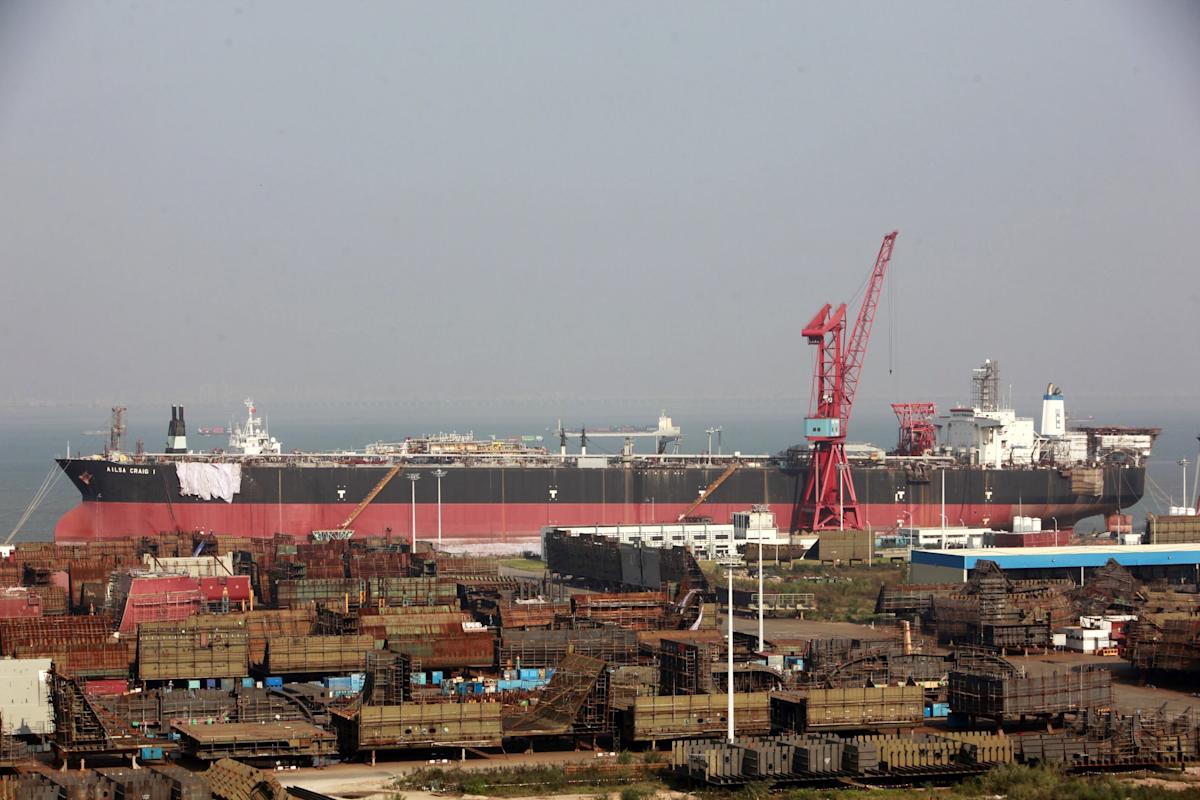
(Bloomberg) — Shipowners and charterers are altering leasing contracts to cope with the multi-million dollar port fees expected to be imposed on Chinese-built vessels by the Trump administration, according to people familiar with the matter.

Most Read from Bloomberg

The contours of Washington’s plan to revitalize the US shipbuilding industry are unclear and the US Trade Representative has yet to make concrete proposals on expected measures, including levies. Still, the sector is already preparing for imminent additional risk, with new clauses that state companies hiring Chinese ships will bear the cost of any taxes in part or in full, the people said. They asked not to be identified as the discussions are not public.

Some new provisions in leasing contracts — not unlike those currently used to cover cargo-related expenses — will establish that all duties and taxes, if proposed by the USTR and introduced, will be for charterers to cover, the people added. Another version caps the amount that a shipowner pays, with the charterer covering the remaining fee.

The shipping industry has adapted swiftly to significant shocks in recent years, from upheaval in the Middle East to punitive curbs on Russia’s oil complex. Even so, the ambiguity around the US proposal has been a source of considerable frustration for the industry that remains the backbone of global trade.

Among the questions plaguing shipowners is how exactly a Chinese vessel will be defined in the final instance.

The USTR is currently recommending different fees, starting with a levy of as much as $1 million per ship per port visit. That could ultimately add up to $3.5 million per port call, if they are Chinese-built with a Chinese operator which in turn also has a ship on order from a Chinese manufacturer, according to Clarksons.

More than a third of the tonnage from ships currently trading were built by China, Clarksons data show.

A USTR hearing in Washington this week, ahead of final proposals due in April, brought together US lawmakers, labor unions, steel manufacturers and shippers, with many at odds over the hefty levies. While there has been broad concern over China’s dominance, several voices fretted that the blanket tax could snarl global supply chains and severely damage sectors of the economy.

Some in the industry, especially with high-value shipments like oil, may be able to absorb the additional cost. Some container shipowners also think that the large volume of goods that boxships can carry means that the levy, when spread across the cargoes on a ship, is nearly negligible. The largest container ships can carry nearly 24,000 20-foot containers, a standardized unit also known as TEUs.

Others, especially those trading cheaper goods such as fresh fruits, fear they may have to pass on costs to customers and in turn hurt their businesses.

The proposed tax “is an adjustable figure that will be basically passed on to the consumer or the customers,” said Moritz Fuhrmann, co-chief executive officer at MPC Container Ships ASA, during a panel discussion at a Singapore maritime conference this week.

Most Read from Bloomberg Businessweek

©2025 Bloomberg L.P.


Source link

Share. Facebook Twitter Pinterest LinkedIn Tumblr Email
MNK News
  • Website

Related Posts

Rite Aid files for bankruptcy — again

May 6, 2025

How to Track Driver Performance Without Micromanaging

May 6, 2025

Ford says its Q1 profit fell by two-thirds and it expects a $1.5 billion hit from tariffs this year

May 6, 2025
Add A Comment
Leave A Reply Cancel Reply

Editors Picks

Tiger Woods arrested, charged with DUI after Florida crash

March 28, 2026

Sabalenka, Sinner keep ‘Sunshine Double’ in sight with Miami Open wins

March 27, 2026

Hasan’s pace, all-round Ali give Kings victory over Gladiators

March 27, 2026

Iranian football players hold schoolbags in solidarity with girls killed in strike on Minab school

March 27, 2026
Our Picks

Ethereum Price Falls Below Psychological $2,000 Support — What Next?

March 28, 2026

XRP Global Distribution Shows The Major Holders And What It’s Being Used For

March 28, 2026

Binance Users Register Record Gold Futures Trading Activity

March 28, 2026

Recent Posts

  • Ethereum Price Falls Below Psychological $2,000 Support — What Next?
  • Netflix Raises Prices Again, Gets Mocked by Rival Streaming Service
  • The White House app is just as weird and unnecessary as you’d expect
  • Meta’s next AI glasses are reportedly designed with prescription lenses in mind
  • Wanderstop developer Ivy Road is shutting down

Recent Comments

No comments to show.
MNK News
Facebook X (Twitter) Instagram Pinterest Vimeo YouTube
  • Home
  • About US
  • Advertise
  • Contact US
  • DMCA
  • Privacy Policy
  • Terms & Conditions
© 2026 mnknews. Designed by mnknews.

Type above and press Enter to search. Press Esc to cancel.