


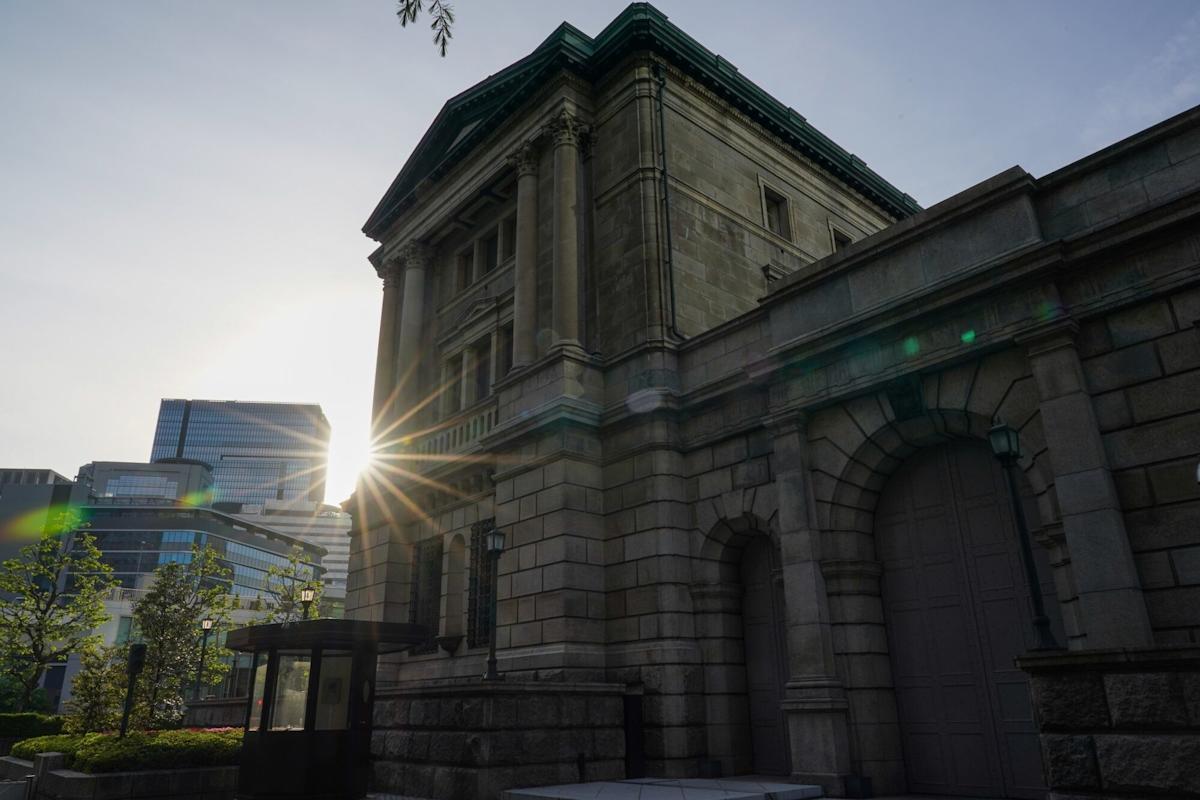
(Bloomberg) — Bank of Japan Governor Kazuo Ueda indicated he aims to keep his options open ahead of the bank’s next policy meeting, as traders searched for hints on the next rate hike timing during three hours of questioning in parliament.
Most Read from Bloomberg
In delivering the bank’s semi-annual report to lawmakers Wednesday, Ueda reiterated the BOJ’s stance that it will continue to raise interest rates if its economic outlook is realized, and refrained from making comments that gave any clear hints as to when the central bank might next hike rates. Ueda also pointed to the rising price trend, though he said it hasn’t reached the 2% target the bank is seeking.
“Our projection is that the underlying price trend will broadly reach 2% in the second half of our outlook period,” Ueda said. “Of course monetary policy can be adjusted in line with that outlook, but if the trend overshoots, we would adjust policy more strongly.”
Ueda spoke as investors seek hints over the likelihood of a rate hike at the two-day meeting ending May 1. The yen weakened following his comments after slipping beyond a key threshold of 150 against the dollar earlier this week, on the back of lingering speculations that the rate differential with the US will remain wide.
Ueda also pointed out that rising uncertainty over global trade dynamics stemming from the US tariff campaign will remain a key factor for future policy decisions.
Last week the BOJ kept its policy rate unchanged at its board meeting, keeping borrowing costs at 0.5%. While Japan’s overall inflation is running at the fastest pace among Group of Seven countries, its policy rate is the lowest among them.
Ahead of the latest policy board gathering, about three quarters of BOJ watchers expected another hike between June and September. Still, around half of them said that in the fastest scenario the bank could deliver another rate increase at the meeting ending May 1.
Japan’s consumer prices rose 3% in February, a faster pace than expected, according to a government report Friday, in a sign of persistent inflationary pressure. Ueda said that a significant part of current inflation is driven by cost push factors, and that there are price risks both on the upside and downside.
Prime Minister Shigeru Ishiba is planning to ease the impact of inflation on consumers through existing policy plans including cash handouts to low-income households and measures to slow the increase in the cost of rice, chief cabinet secretary Yoshimasa Hayashi said Tuesday.
