


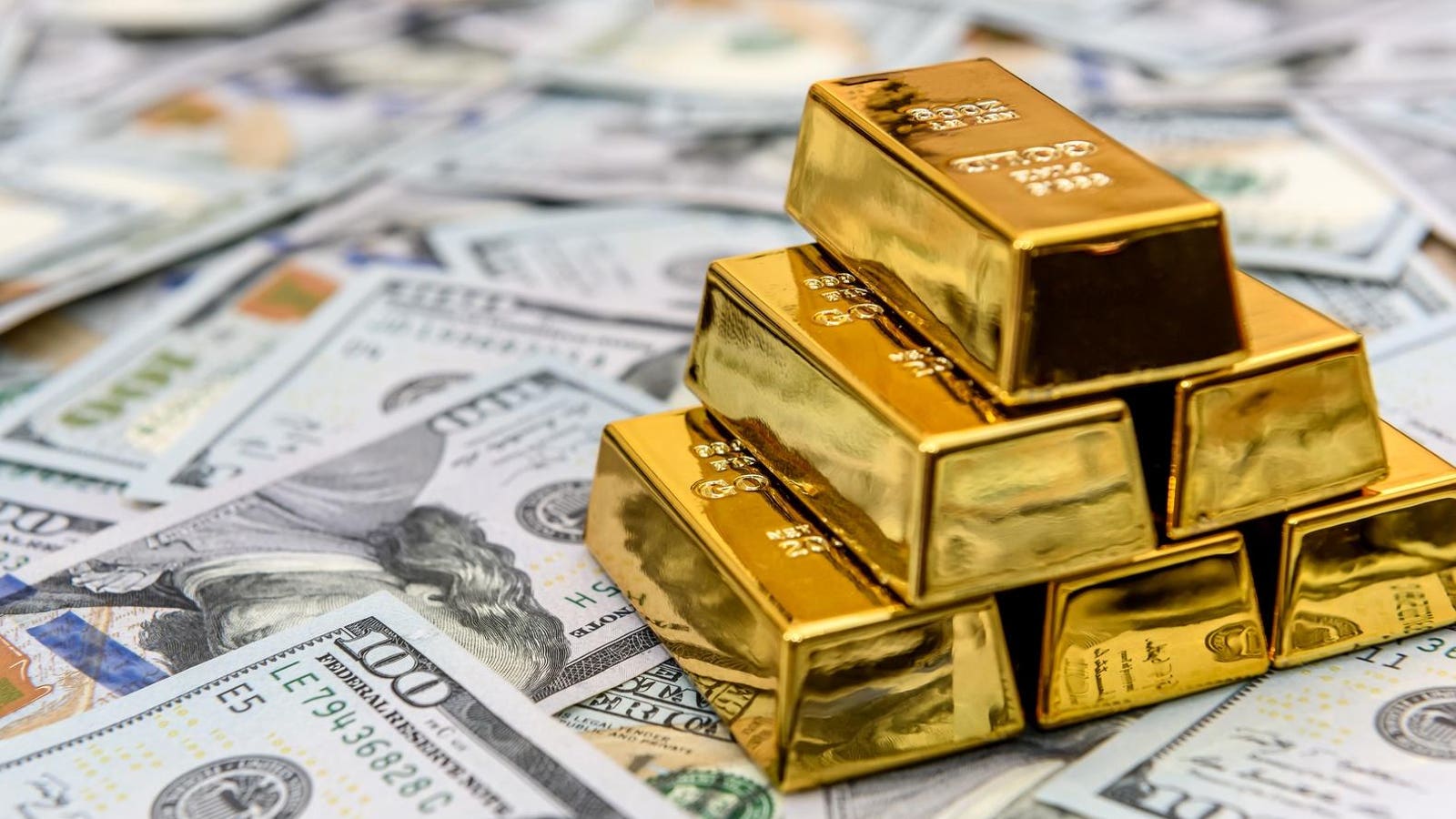
Gold bullion on american dollar banknotes close up
getty
Gold has hit $3,000 an ounce. This isn’t merely a milestone for investors—it’s a clear signal that the Federal Reserve faces an existential crisis of its own making.
The Fed believes it has inflation under control, pointing to encouraging readings from various price indexes. It’s preparing to resume interest rate cuts once it evaluates the impact of President Trump’s tariff policies. But the rising price of gold tells us something different: future inflation is brewing, and our central bank is blind to it.
The Federal Reserve fundamentally misunderstands inflation. Monetary inflation results from reducing a currency’s value, typically by creating too much of it. Non-monetary inflation occurs when prices rise due to production disruptions: natural disasters, wars, pandemic lockdowns that severed supply chains, costly regulations, or certain tax increases.
While the Fed cannot control non-monetary inflation, it absolutely can control the dollar’s value. Gold maintains its intrinsic value better than any other commodity—as it has for over 4,000 years of recorded history. It remains our best barometer of monetary trouble. A sustained price rise signals inflation ahead; a price decline indicates deflation—a shortage of dollars.
When gold’s price fluctuates, it’s not the metal’s value changing but the currency’s. This distinction is crucial yet completely lost on the Fed and most economists and central bankers.
The advancing cost of gold, unless stopped or reversed, indicates future inflation by demonstrating the dollar’s declining value. Yet the Fed ignores gold in its monetary policy decisions.
Even before COVID hit in early 2020, our central bank was undermining the dollar. Gold rose from $1,200 in late 2018 to around $2,000 by early 2020. A serious surge of monetary inflation was already in place when the lockdowns began.
The Federal Reserve is repeating this error. Gold has climbed over 60% since mid-2023, during the very period when the Fed claimed to be fighting inflation through interest rate hikes.
The Fed’s profound flaw lies in its belief that prosperity causes inflation—that we face an inevitable trade-off between unemployment and inflation. Want less inflation? Slow the economy. This approach fails to account for non-monetary price changes or the consequences of a weakening dollar.
The path forward is straightforward: the Federal Reserve must return to a gold-price rule to stabilize the dollar. The Fed should start by establishing a target price range for gold—around $2,900-$3,100—and adjust monetary policy to maintain that level. This would replace the current discretionary approach with a rules-based system that recognizes gold’s monetary significance.
By focusing on dollar stability rather than manipulating interest rates, the Fed could end inflation without causing economic contraction. This addresses the monetary cause directly rather than attempting to slow growth—a strategy that inevitably causes unnecessary economic pain.
The warning from the gold market cannot be ignored much longer. The question is whether the Fed will heed it before it’s too late.
If gold continues its upward trajectory, inflationary pressures will intensify. The Fed will likely respond by attempting to constrain economic growth, triggering significant political resistance and fundamental challenges to its current authority and structure.
